Kara Cartwright has always been very careful about her online privacy. She used a pen name, hid her face, and remained anonymous even in close writing groups where many members knew each other in real life. She had never shared her birthday on social media before. However, with the November 2026 election coming up, Cartwright chose to change that. For the first time, she revealed her birthday, not to seek attention or gifts, but to make a request. She asked her followers if they would pledge to vote and wanted to know their plans for doing so, whether by mail, early voting, or on Election Day. She humorously added a final suggestion, asking them not to vote for “dirtbags.” For Cartwright, stepping out of her comfort zone regarding privacy was worthwhile if it could encourage even a few people to vote. Although asking people to vote seems straightforward, getting them to actually do it can be challenging. The Environmental Voter Project found that around 11.2 million Americans who were registered voters and identified as environmentalists did not participate in the 2024 presidential election. This number is larger than the entire population of Michigan and shows that concern for the environment did not lead to votes.
This voting gap inspired Patagonia to launch the 11.2 Million Vote Project, aiming to connect environmental concern with active participation in democracy. Patagonia invested $11.2 million in this project, offering a $100 shopping credit for participants who helped three friends or family members create a voting plan. Alternatively, they could choose to have Patagonia donate $100 to the League of Conservation Voters. The response was so large that Patagonia’s website temporarily crashed due to high demand. Within just four days, the budget for incentives was entirely used up, but the platform continues to operate. Participants can still sign up, identify three people who may need encouragement to vote, and share personalized links with information on making their voting plans, including where and when to vote.
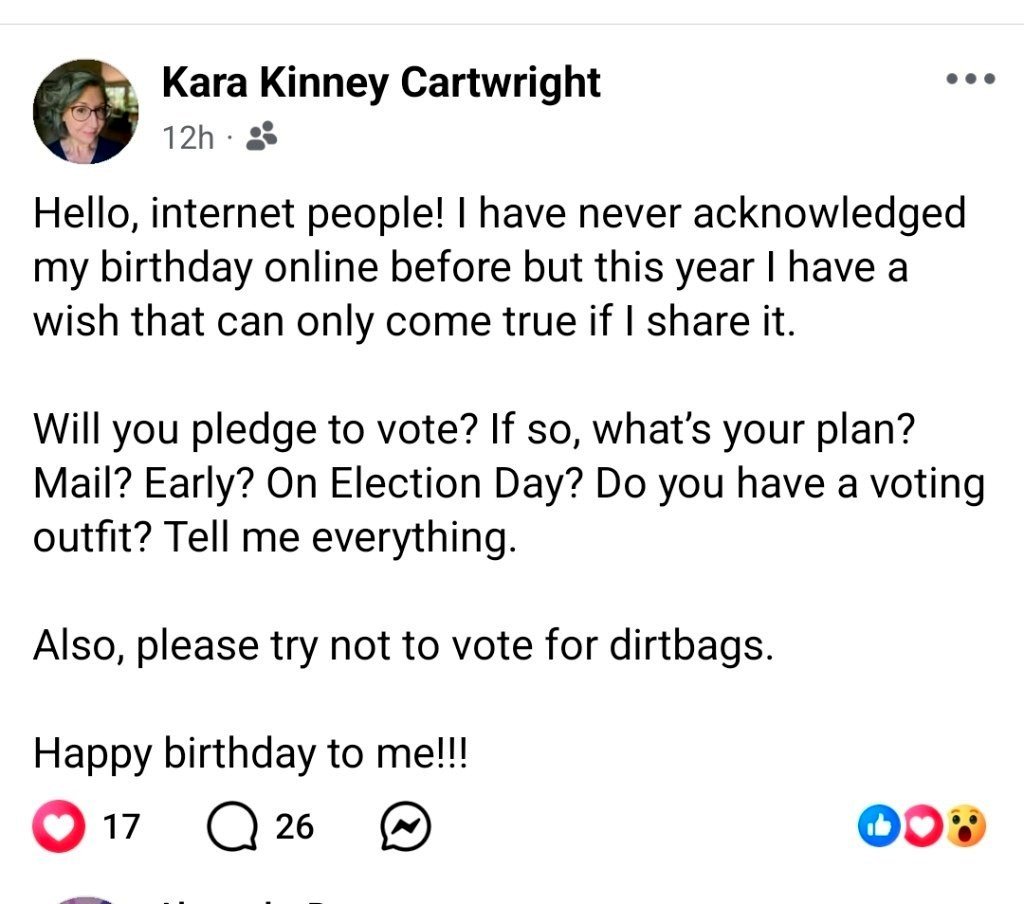
This approach represents a modern twist on an old idea: sometimes, a little encouragement from someone you trust can make a big difference. Patagonia expressed excitement about the community’s quick response to their initiative. They noted that their supporters recognized the connection between a healthy democracy and a healthy planet, helping nearly half a million people make voting plans in just four days. Although the $100 incentives are no longer available, Patagonia plans to keep the Rally platform active until Election Day, encouraging ongoing outreach to friends and family about voting. The main idea behind the project does not rely on financial incentives; it focuses on the influence of personal connections. Cartwright did not need advanced technology or a large campaign to invite her friends to create voting plans. All she needed was a birthday post and a social media account. This led to 26 enthusiastic comments from friends and family sharing their voting intentions and motivating others to do the same. Patagonia believes that this kind of personal encouragement can lead to significant change when spread through numerous relationships. Cartwright’s birthday post serves as a reminder of this potential impact. What do you think about using personal connections to encourage voting?
Sources:
Source: Upworthy, by Harmony Hobbs