People seek status for various reasons, such as owning a luxury car, having a high-paying job, or living in an upscale neighborhood. While wealth and luxurious possessions can bring happiness, many find that these items leave them feeling unfulfilled. Keeping up with appearances can also lead to significant financial strain. Some individuals feel the burden of large monthly payments for cars, while others appreciate their older, paid-off vehicles and choose to invest their money instead.
A review conducted in 2026 that analyzed over 955 studies showed that individuals often pursue status symbols because they care about how others view them. Their possessions, roles, and behaviors signal their taste, prestige, and sense of belonging. A user on Threads, known as Itsamayawithwifi, recently asked those over 40 about status symbols they sought in their younger years that have lost significance. The responses highlighted that for many, the symbols they once valued have faded in importance as they have aged.
Here are ten status symbols that people over 40 no longer chase:
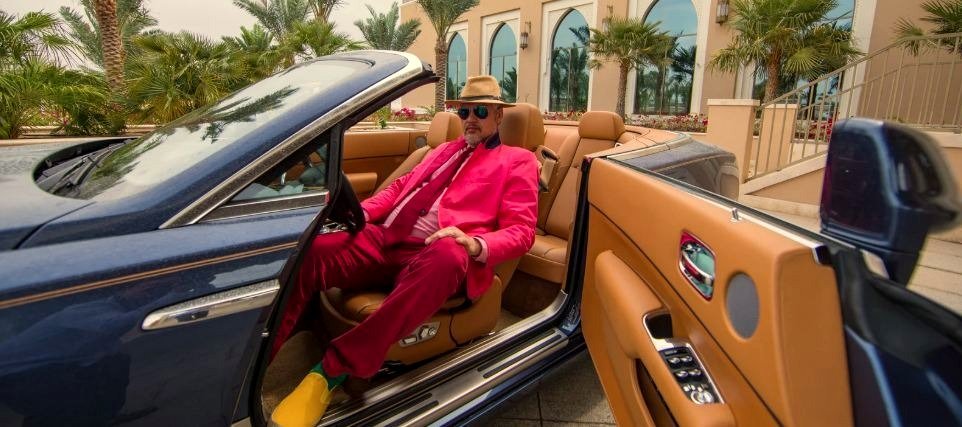
Nice cars: Many people realize that a regular car can perform just as well as a luxury one. Some reflect that if the money spent on expensive cars had instead been invested, they could have significantly increased their wealth over the years. Research from the International Review of Economics found that people with luxury cars are not much happier than those with standard vehicles, and some even report being happier with midrange cars.
Job titles: Individuals now focus more on earning a comfortable income and enjoying their work and colleagues rather than chasing impressive job titles.
Big houses: People have come to see large homes as unnecessary and costly to maintain. Owning a bigger house requires constant upkeep, which can be burdensome. Mike Coren, writing for the Washington Post’s “Climate Coach” blog, noted that a larger house does not necessarily lead to greater happiness. He mentions the “McMansion effect,” where people compare their homes to larger ones in their neighborhood, affecting their satisfaction.
The grind culture: There is a realization that valuing time is more important than glorifying hard work and corporate culture. People are recognizing that saving paid time off (PTO) isn’t as meaningful as enjoying their lives outside of work.
Expensive dinners: Dining at fancy restaurants every weekend loses its appeal. Many prefer simple, meaningful meals in pleasant surroundings, like a beach picnic at sunset. One respondent shared that making a meal for oneself can be more rewarding than eating out and overspending.
What do you think about these perspectives?
Sources:
Source: Upworthy, by Tod Perry