The global economy is currently facing a lot of uncertainty. Many individuals are concerned about increasing costs, additional expenses, and the affordability of food. If you think only you and your neighbors are experiencing these issues, you might want to reconsider. For those curious about what people across the globe purchase at local supermarkets and the costs involved, there is a community sharing their insights. The ‘What’s In Your Cart’ global group shares images of their grocery purchases along with the prices. Some submissions are disheartening, while others are surprisingly impressive.
For example, someone shared a shopping bill from Aldi in the UK that totaled £65.07 for two adults, while another reported spending £183.40 at Asda and Lidl for themselves and their partner. There was also a post showing a weekly grocery total of £42 from Aldi for two people. Adjusting how and what people buy can be quite challenging. Many individuals find it hard to change their habits, which is a normal reaction. It may also feel unfair to pay more for fewer items, and people often rely on small luxuries to boost their spirits during tough times. Some of these little treats might have to be sacrificed as food prices rise, necessitating a budget reevaluation.
Additionally, many experience feelings of shame when they have to alter their eating habits. Kiki Rough, a content creator focused on recipes from tough economic times, mentioned to NPR that she has seen many individuals struggling with food costs in her work, including both low-wage workers and corporate professionals.
The community shared various grocery expenses as well, with an independent bakery in Yorkshire charging £20.20 for a family of four. A university student reported spending £25 at Sainsbury’s, and another couple shared their weekly shop at Sainsbury’s for £168.25. Rough emphasized that shifting one’s mindset about food insecurity is vital. She believes that many feel ashamed about their financial hardships and access to food.
In terms of grocery shopping trends, analyst Phil Lempert told NPR that more people are practicing frugality when shopping. He noted that shoppers are using lists more frequently and transitioning to online shopping to compare prices easily. He observed that younger generations often do not prioritize extras offered by supermarkets as much as older customers.
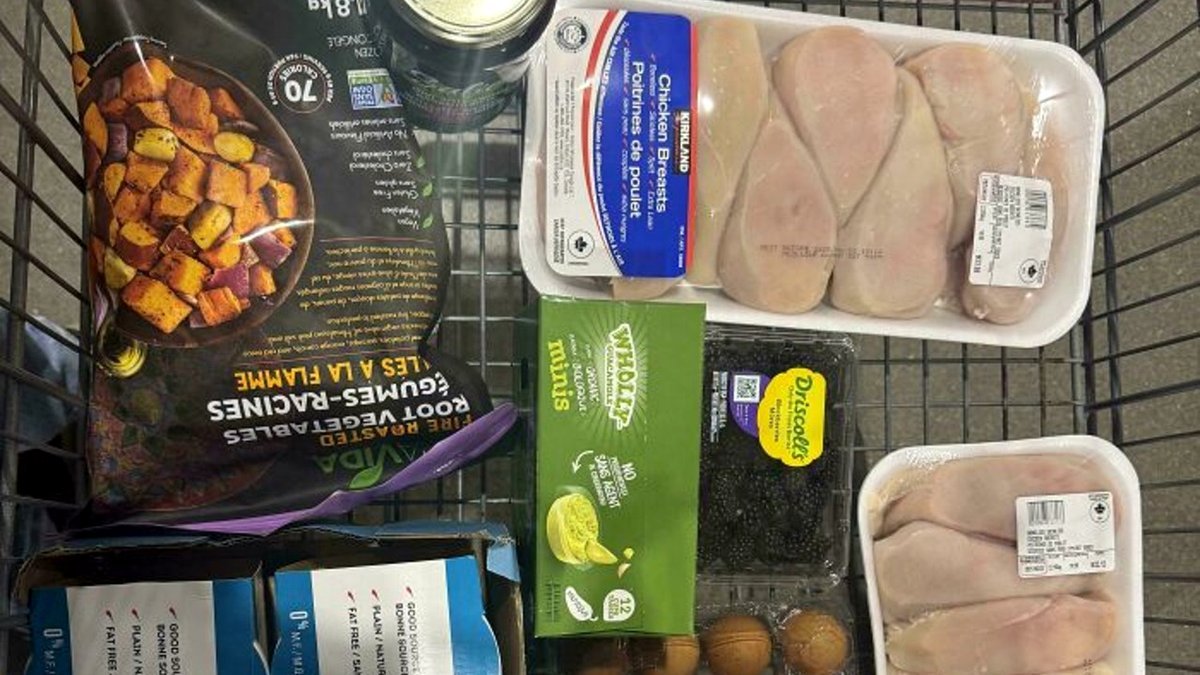
Other posts included a grocery haul from Costco costing 200 Canadian dollars and a Tesco purchase that was £220. A student shared a bill from Tesco that was roughly £62 for one and a half weeks.
To manage financial instability, there are generally two approaches: increasing earnings or reducing expenses. Seeking raises or better job opportunities, or starting a side business can help boost income. On the other hand, cutting unnecessary spending is also important. This includes dining out less, ordering takeaway less frequently, and preparing more meals at home. It is essential to minimize food waste by only buying what is needed and consuming it. However, maintaining nutrition should remain a priority; spending less on food shouldn’t come at the cost of health.
In another post, a tired university student shared a grocery bill of £7.67 from Sainsbury’s. Another entry reported £48 spent on basic necessities. One user happily noted their nearly weekly shop at Waitrose, which totaled £295.46. The BBC suggests buying pantry staples when they are discounted.
What are your thoughts on grocery prices in your area?
Sources:
Source: Bored Panda, by Mindaugas Balčiauskas