Coffee is a growing market, with more people enjoying it each year. Kids are starting to drink coffee at younger ages, with some as young as ten ordering trendy drinks. This trend is beneficial for companies like Starbucks and Folgers, but it poses environmental challenges. A major issue with coffee production is the significant waste it creates. When coffee beans are extracted from cherries, about 45% of the biomass is thrown away. For every pound of coffee we savor, a similar amount of coffee pulp ends up in landfills around the world. This results in around 10 million tons of coffee pulp being disposed of annually, which can harm soil and water sources if not managed correctly.
However, a recent study published in the *Ecological Solutions and Evidence* journal by the British Ecological Society indicates that coffee pulp might not just be waste after all. It can play a crucial role in restoring deforested regions, which are becoming increasingly rare.
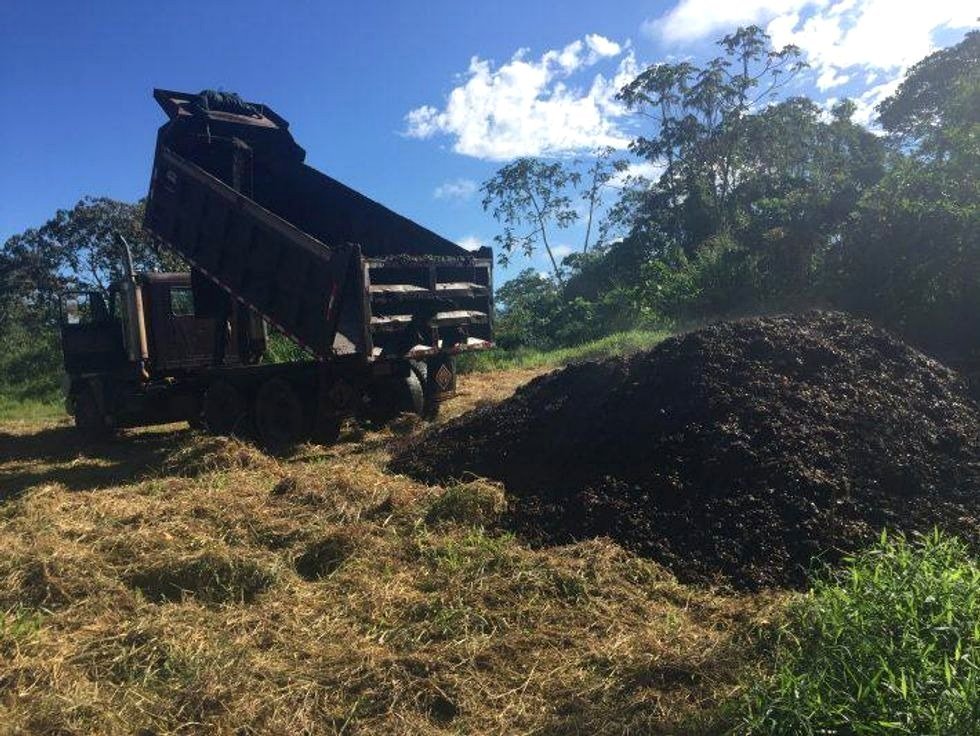
In 2018, researchers from ETH-Zurich and the University of Hawaii undertook an experiment by dumping 30 truckloads of coffee pulp onto a 100-foot by 130-foot area of damaged land in Costa Rica. It’s important to note that this pulp comes from the parts of coffee cherries that are discarded, not from used coffee grounds. The research site was a former coffee plantation that had faced severe deforestation since the 1950s. They spread the coffee pulp about 20 inches thick across the designated area while leaving another nearby plot untouched for comparison.
Dr. Rebecca Cole, the study’s lead author, remarked that the results were striking. In just two years, the area enriched with coffee pulp transformed into a small forest, while the control area remained filled with non-native grasses. The treated section achieved an 80% canopy coverage, compared to just 20% in the control area. This means the coffee pulp area grew four times faster and developed a canopy that was also four times taller than that of the control plot.
The coffee pulp not only spurred rapid growth but also helped remove an invasive grass species that had taken over and hindered forest development. By eliminating this invasive grass, native plants had the chance to thrive again. The coffee pulp served two purposes: it suppressed invasive grasses and significantly increased soil nutrients such as phosphorus, carbon, and nitrogen, which are essential for new growth.
Dr. Cole pointed out that this study shows how agricultural waste can aid in the recovery of degraded tropical lands. If using these by-products helps alleviate the costs for agricultural industries, it could be beneficial for both restoration efforts and global reforestation goals. However, she noted that this was only a single-site study, and further research in various conditions is necessary before concluding its effectiveness on a larger scale. If these findings hold true, it could be advantageous for coffee lovers and the environment alike.
Researchers are hopeful that applying coffee pulp could be an affordable solution for reforesting damaged lands. It may also help counteract climate change by promoting forest growth worldwide. What are your thoughts on this approach?
Sources:
Source: Upworthy, by Tod Perry