In British Columbia, a small award ceremony took place to recognize mine operators for their ongoing efforts in monitoring and reclaiming closed mines, years after operations have ceased. Mining has traditionally been essential to Canada’s economy, and British Columbia was the first province to require that mine plans include reclamation strategies and budgets before approval. Reclamation refers to the process of converting previously used land back into productive areas, which can be utilized for agriculture, forestry, or even restoration to natural habitats.
This year, BHP, the largest mining company globally, received the Annual Reclamation Award from the BC Technical Research Committee on Reclamation (TRCR) for its work at the Island Copper Mine, located near Port Hardy on northern Vancouver Island. The main pit of this mine extended more than 1,320 feet deep, marking one of the lowest points on Earth touched by sunlight. During its operation from 1971 to 1995, it produced over 1 billion tons of minerals, primarily copper, along with significant amounts of silver, gold, molybdenum, and rhenium. At its height, the mine created around 900 jobs for locals, transforming Port Hardy from a small settlement into a thriving community of 5,000.
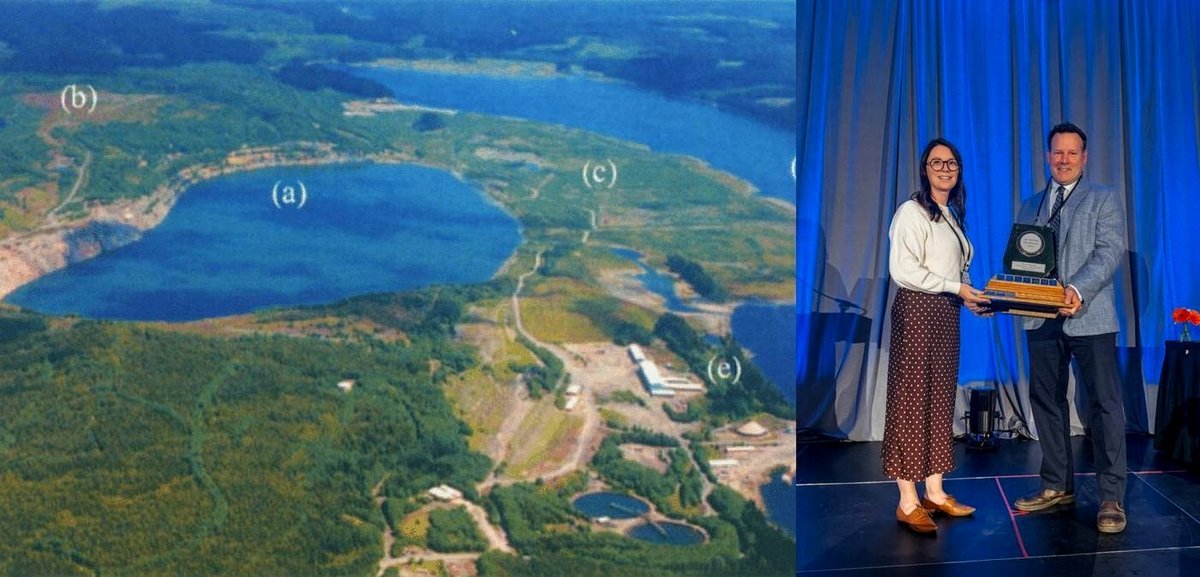
Once mining activities ceased, BHP undertook thorough environmental studies to develop a detailed reclamation plan for the large pit left behind. The company filled the pit with seawater, creating a layered lake where the bottom waters lacked oxygen. This unique system was designed to manage acid rock drainage caused by the oxidation of reactive sulfide minerals in the waste rock. Since May 2001, BHP enhanced its method by adding fertilizers to the surface waters every 7 to 10 days, promoting plankton growth that absorbs heavy metals and oxygen. This plankton eventually sinks to the lower layers of the lake, which helps prevent mineral oxidation by maintaining low oxygen levels.
The TRCR noted that BHP has maintained its reclamation efforts through continuous monitoring and adaptive management, improving the water management systems at the site. These ongoing activities have increased environmental protection, ensured the long-term effectiveness of the Pit Lake treatment, allowed for better operational flexibility with remote monitoring, reduced dangers for workers, and improved the site’s resilience against severe weather and power failures. What are your thoughts on the efforts made by BHP in mine reclamation?
Sources:
Source: Good News Network, by Andy Corbley