A sleep scientist recently shared insights from his research on the sleeping patterns of hunter-gatherer groups across the globe. This research could provide ways for people today to improve their sleep. Many individuals in modern society struggle with sleep, likely due to the demands of technology and an unnatural environment. It seems surprising to think about how someone might manage to sleep on a dirt floor in a jungle hut in the Bolivian Amazon, especially with the sounds of rain and wildlife outside. Jerome Siegel, a somnologist from UCLA, noted that when hunter-gatherers are asked if they have trouble sleeping in their own language, they often find the question confusing.
This raises the question of why this happens. Sleep is a fundamental need that has been preserved through evolution among all life forms. Natural selection suggests that traits that aren’t necessary would eventually fade away. However, sleep has always been a part of life. Humans have the biological mechanisms to sleep even in challenging situations, and understanding these mechanisms might help improve sleep for people today. Amanda Ruggeri, a journalist for the BBC, wrote the article discussing these findings, and her book, The Sleep Myth, is set to be published in 2027.
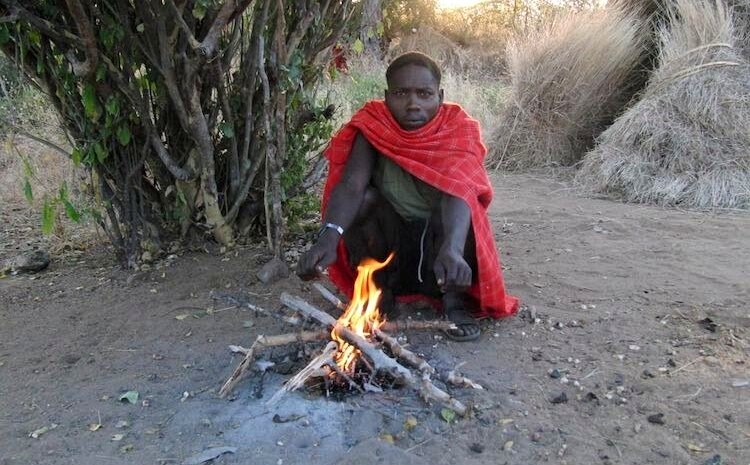
One important aspect of hunter-gatherer sleep is light exposure. Research shows that artificial light can make it harder to fall asleep. To help your body’s internal clock, known as circadian rhythms, it’s helpful to get natural light soon after waking up. For example, drinking coffee outside in the morning or near an east-facing window can be beneficial. In the evening, keeping indoor spaces dark can also help. This might involve turning off unnecessary lights, using dimmers, and reducing screen time.
Another factor affecting sleep for hunter-gatherers is temperature. Professor Siegel explained that the drop in temperature at night and the rise in the morning plays a bigger role in their sleep cycles than light. These groups often wake up a few hours before sunrise when temperatures are cooler. You can mimic this by opening windows or adjusting your thermostat to lower the temperature during the night and early morning.
Additionally, another sleep researcher mentioned to Ruggeri that hunter-gatherers tend to socialize after sunset and when it is dark. Without electric lights, they focus on social interactions instead of work. It can be easier to spend time with friends and family, but it might be challenging to resist checking work emails or expecting others to do the same.
Hunter-gatherers might sleep less and awaken more than people in modern societies, but they do not find this stressful. For many today, having “good” sleep means striving for eight continuous hours, which is often unrealistic compared to hunter-gatherer lifestyles. Therefore, people should not expect their sleep to be the same every night. Letting go of the worry about waking up during the night or not getting enough sleep could actually lead to better rest and easier sleep in the future.
What tips have you found helpful for improving your sleep?
Sources:
Source: Good News Network, by Andy Corbley