Saying no may seem like an easy choice, but for many people, it often brings feelings of guilt. They might worry about letting someone down or appearing impolite. However, it is important to recognize that one cannot agree to everything, and sometimes saying no is necessary. Protecting one’s time, finances, and well-being is not selfish.
Take the story of a widowed mother who was shopping for groceries. She was approached by a stranger who asked for help paying for her groceries. Since she was already on a tight budget, she kindly declined, but the stranger persisted, making the situation uncomfortable.
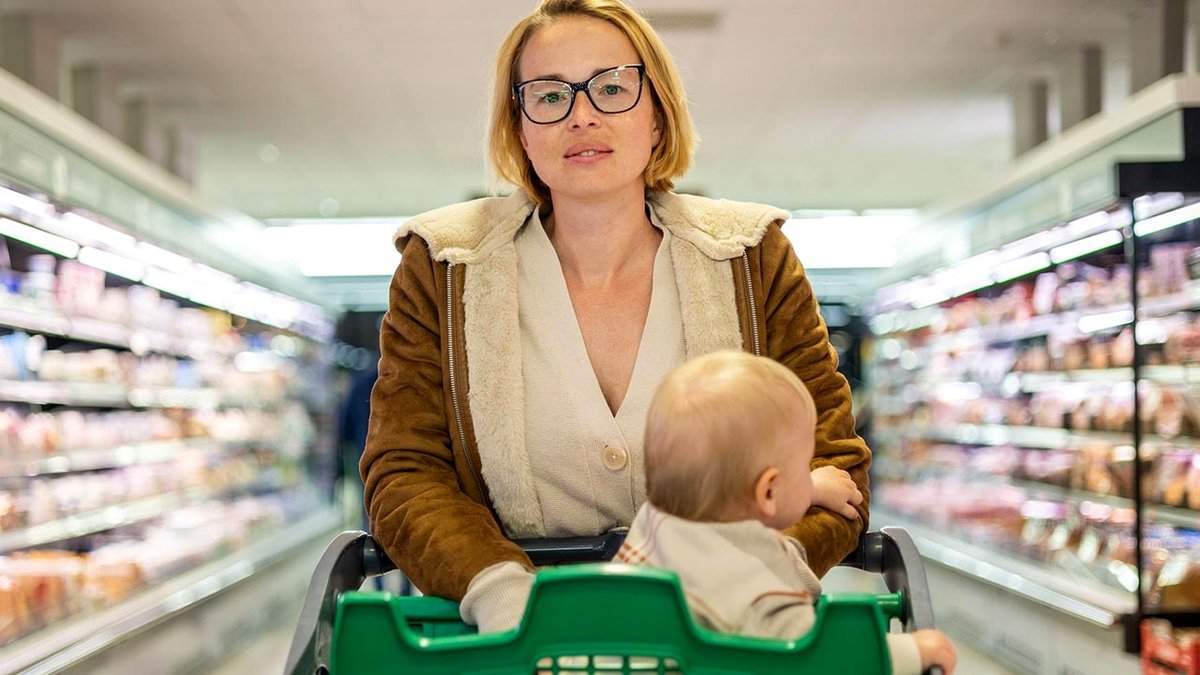
As grocery prices have increased, many families are struggling to stick to their budgets. The year 2026 has seen a rise in food costs, partly due to ongoing geopolitical issues in the Middle East. Economic instability and conflicts around the world are having local impacts, such as higher grocery prices. Families are feeling the financial strain and are becoming more careful with their shopping.
Many shoppers are now opting for less expensive brands, skipping treats, or avoiding unnecessary items. When every cent counts, making small savings is important. Inflation is expected to rise throughout 2026, further affected by energy costs linked to geopolitical tensions. A report suggested that inflation might lead consumers to buy less food or eat out less, impacting price negotiations between retailers and food service providers.
In the UK, food prices could rise by at least 9% by the end of 2026, a significant increase from earlier predictions. In the U.S., the situation is varied but still difficult. An analysis of food price data revealed that while some grocery prices have decreased, overall costs remain high as increases in other items offset those savings. Proteins and beverages have seen the largest price hikes, with variations across food categories. Price changes are not uniform and reflect larger trends in global food economics.
Sources:
Source: Bored Panda, by Monika Pašukonytė