Romulus and Remus, two gene-edited wolves developed by Colossal Biosciences, are now two years old and have reached the expected size based on dire wolf fossil records. They are living with their younger sister Khaleesi, and all three are healthy and adapting well to their environment, allowing scientists to observe the growth of genetically modified animals over time. Colossal introduced these wolves to the public in April 2025, having edited the DNA of gray wolves to recreate specific traits of the long-extinct dire wolf, which vanished over 10,000 years ago. Although they look like their ancient counterparts, these wolves are genetically altered gray wolves, not direct replicas of the extinct species.
A health report shared with PEOPLE in October 2026 indicates that Romulus weighs about 61 kg (134 pounds) and Remus weighs around 60.25 kg (approximately 132 pounds). Both are in excellent health, with their growth plates closed, signifying they have reached their full size. Their weights align with measurements from a 2006 study on dire wolf fossils found at the Rancho La Brea site in Los Angeles, with each brother being about one-third heavier than most gray wolves. Beth Shapiro, Colossal’s chief science officer, noted that the genetic modifications aimed to create larger and more muscular bodies similar to those of dire wolves.
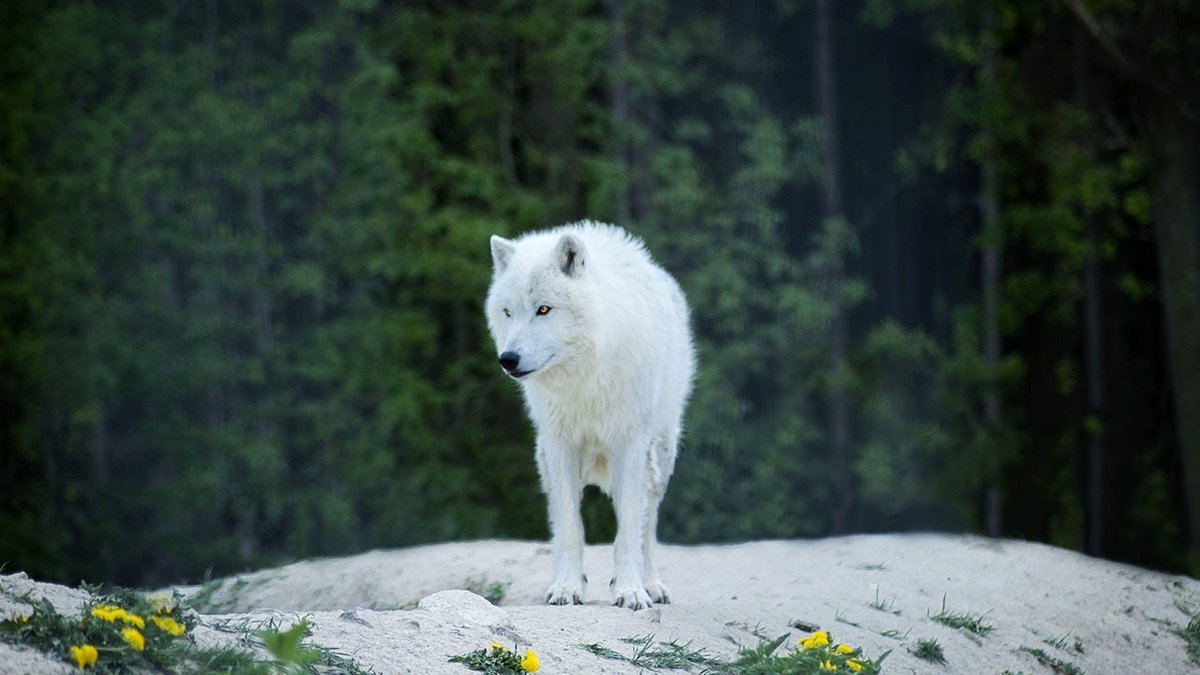
According to Matt James, the chief animal officer at Colossal, the team has performed thorough health checks over the past two years, which included CT scans and blood tests. The outcomes have been positive, showing that all three wolves are in good health. In person, their size is quite impressive; James, who is 6 feet 4 inches tall, mentioned that their shoulders come up to just below his hips. Shapiro recalled an encounter with Khaleesi when she was six months old, as the young wolf playfully approached her. Now at 20 months, Khaleesi weighs 46.35 kg (102 pounds) and measures around 94 centimeters (37 inches) at the shoulder, stretching about 201 centimeters (or 6 feet 6 inches) from nose to tail. Unlike her brothers, Khaleesi continues to grow and is expected to be about 20% smaller than them, which is typical for female wolves.
Additionally, Khaleesi has a unique genetic trait: all three wolves were cloned from the same male gray wolf but developed differently due to a gene that did not activate in her, preventing typical male development. Such cases have been observed in dogs and a wild gray wolf found in Alaska. Shapiro confirmed to PEOPLE that Khaleesi remains healthy despite this anomaly.
The team has spayed Khaleesi and took the opportunity to examine her reproductive system during the procedure. The report indicated she received anesthesia at the enclosure without being restrained and resumed eating shortly after the surgery. The three wolves will not breed among themselves since they share a genetic lineage, and Colossal plans to introduce wolves from different genetic backgrounds to enhance genetic diversity before allowing natural breeding in future generations.
What do you think about the genetic modifications made to these wolves?
Sources:
Source: Bored Panda, by Aleksandra