Europe is known for its famous landmarks, such as castles and ancient ruins, but many intriguing locations are often overlooked. These sites, found in busy city centers, secluded forests, or linked to unsettling histories, tell darker and more unusual stories than one might expect. Some include underground bunkers initially built for a nuclear threat that never materialized, a castle allegedly sitting above a portal to hell, and an island that once isolated people from society. While some of these places are steeped in local folklore and mysterious events, others uncover the quieter, darker aspects of European history. Siân Alison, a British writer residing in Austria with a degree in International Tourism Management, has compiled a list of these 15 unique sites known for dark tourism. For those seeking unconventional destinations, these locations provide a different perspective on Europe.
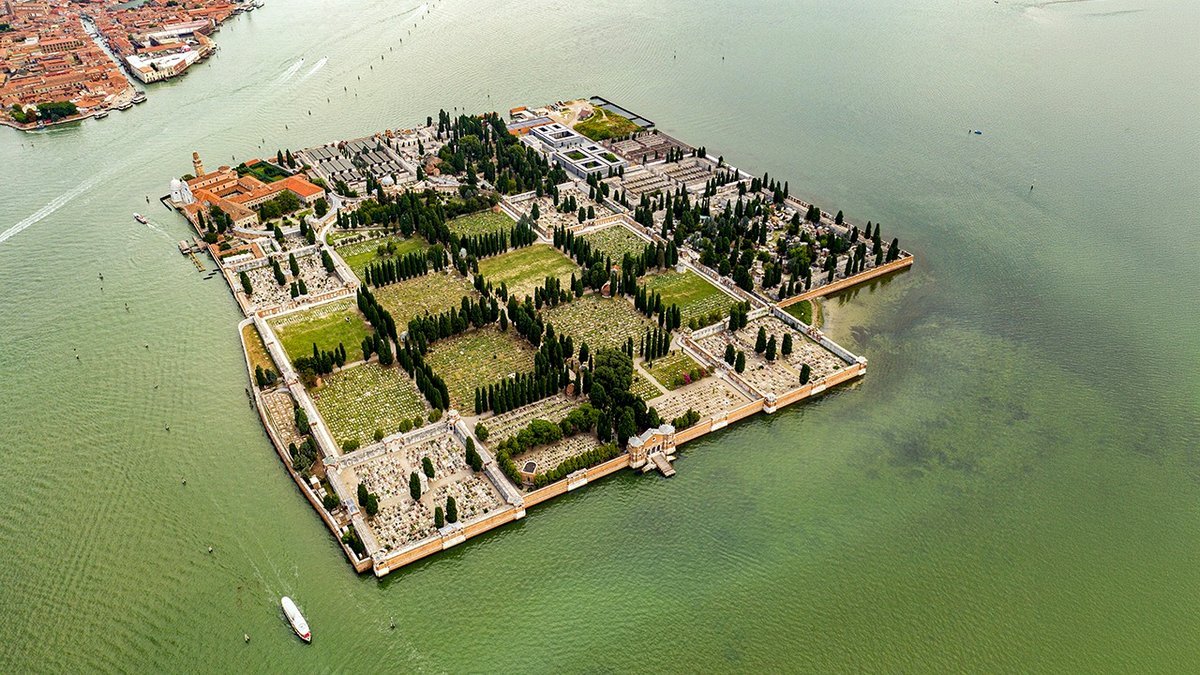
San Michele Cemetery in Italy is located just a short boat ride from Venice’s historic center. This island acts as the city’s cemetery and was established in the early 1800s during Napoleonic rule, which required that burials occur away from crowded urban areas for health reasons. Accessing the cemetery involves crossing the lagoon. In the past, funeral processions used beautifully decorated gondolas to transport the deceased. Now, visitors arrive by vaporetto and can stroll along paths lined with cypress trees, visiting the graves of notable individuals like composer Igor Stravinsky and poets Ezra Pound and Joseph Brodsky. A striking fact about San Michele is that burial plots exist on a lease basis, meaning that after a certain period, remains might be moved to an ossuary to allow for new burials due to limited space.
The connection among these various places is not found in supernatural tales or ruined structures. Instead, they reflect the fears, beliefs, and challenges faced by earlier generations. For example, a chapel adorned with human bones shows how communities historically dealt with the idea of death. Prisons and Cold War bunkers represent how societies manage crime and prepare for disasters. An island that once housed those society wanted to isolate serves as a reminder of the impact of stigma on people’s lives. Each site, with its unique history and legend, provides insights into the past, whether through well-documented occurrences, traditional stories, or customs that remember those who have passed away. Visiting these places offers a chance to learn about parts of history that are often ignored.
Bodmin Jail, located in Cornwall, England, provides an important look at the darker parts of Britain’s prison system. Constructed in 1779 by prisoners of war and designed by Sir John Call, it was the first British prison to keep inmates in separate cells, reflecting changing views on crime and punishment. Over its nearly 150 years in operation, more than 50 public hangings occurred on its grounds before it closed in 1927. Interestingly, during 1918 and 1919, the jail played a vital role in protecting important state documents, including the Domesday Book. Today, this former prison has become a tourist attraction and hotel where visitors can learn about Cornwall’s criminal history. Guided tours share stories about the individuals who were imprisoned there and how the facility functioned, while ghost-themed activities attract those interested in the supernatural.
What do you think about exploring these lesser-known places in Europe?
Sources:
Source: Bored Panda, by Eglė Tenikytė