Solar panels placed above grapevines in southern Italy have been shown to boost the growth and yield of the grapes while also producing renewable energy. This method, called agrivoltaics, has been explored in various agricultural fields, but its impact on vineyards had not been thoroughly examined before. Researchers from the University of Bari studied a vineyard in Puglia, a region known for its intense sunlight and warm Mediterranean climate, which is ideal for growing crops like tomatoes, olives, and grapes.
Research into agrivoltaics has indicated that crops grown under solar panels benefit from the shade, allowing them to focus more on growth rather than protection from the sun. The shade also increases humidity at ground level, which can help cool the solar panels and slightly enhance their energy production. To see if this method would improve the growth of Primitivo or Zinfandel grapes in their test area, the researchers installed solar panels over part of a 2.2-acre vineyard with 8-year-old grapevines.
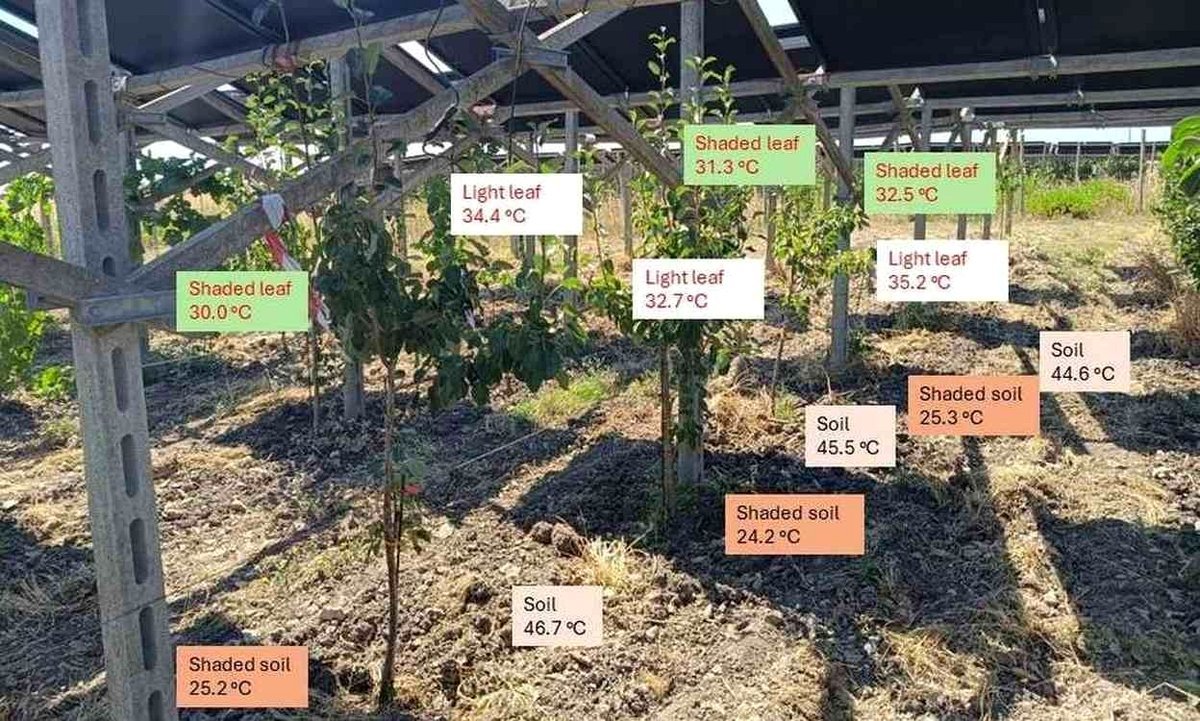
Giuseppe Ferrara, a professor in the Department of Soil, Plant and Food Sciences at the University of Bari, mentioned to PV Magazine that the findings indicate agrivoltaics can be very effective for vineyards. However, he noted that this approach might not work for every region or grape variety due to differences in shade tolerance. Ferrara emphasized that this technique seems particularly effective in hot, dry climates like Puglia during the summer. He believes similar outcomes could also apply to other plant species in similar climates, always taking into account their shade tolerance.
The study revealed significant results. The grapevines that grew with partial shade from the solar panels developed shoots that were more than double the length of those growing in full sun. By harvest time, the weight of the grape bunches from the shaded vines was nearly three times that of those grown in sunlight. Additionally, the shaded grapes had lower sugar levels and higher organic acid content, including polyphenols, indicating they were healthier. This improvement is due to reduced heat stress, easier photosynthesis, and more energy available for other plant processes.
In areas of southern Italy where rainfall is limited, the shaded grapes require less irrigation, which could ease pressure on local water supplies and lower costs for growers. Ferrara and his team warned that agrivoltaic systems might not benefit all vineyard regions, such as those in Italy’s lake district that grow grapes in morainic soil. The practice of viticulture in Italy dates back to the Bronze Age, and grape varieties have evolved over thousands of years through various influences, including the Etruscans, Greeks, and Romans.
What are your thoughts on using solar panels in vineyards?
Sources:
Source: Good News Network, by Andy Corbley