Some people think that humans can be selfish, acting as if the world belongs only to them and not considering the many species that share the planet. The animal kingdom is vast, and these creatures also call Earth home. This idea makes one wish that animals could have a say in how the world is managed, as they seem to be more in tune with nature. Many of these animals are not only fascinating but also incredibly cute. The “Awwducational” community on Reddit shares pictures and amazing facts about these delightful beings. Here are some highlights to enjoy.
The Yeti Crab is a crustacean that lives around deep-sea hydrothermal vents in the Pacific Ocean. It feeds on bacteria that grow on the hair-like structures on its legs.
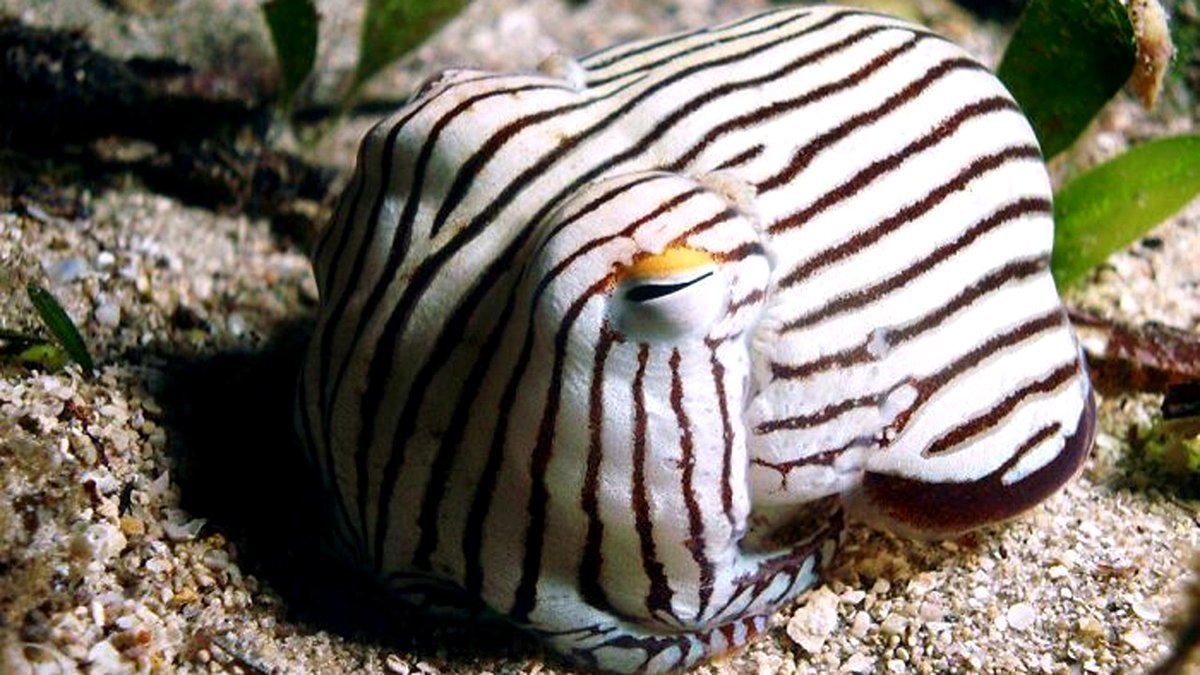
Another intriguing animal is the striped pyjama squid, which is native to the Indo-Pacific region, especially around Australia. While it may look charming, it is known to bite when it feels threatened, and its venom contains tetrodoxin, a neurotoxin also found in the blue-ringed octopus.
Rainbow lorikeets are nomadic birds that travel in flocks, following trees as they flower. They use their brush-tipped tongues to sip nectar and pollen. At night, these birds roost together, sometimes hanging upside down or lying on their backs.
Emperor penguins have been classified as at risk of extinction due to the melting ice they need for hatching and raising their young, which is leading to the collapse of their colonies.
Interestingly, the raccoon dog is not a raccoon; it is a canid that is closely related to foxes. It is the only member of the dog family that can hibernate, gaining up to 50% of its body weight in fat reserves before settling in its den, often with a partner for the winter.
Modern sled dog breeds trace their origins to a common ancestor from the Arctic that diverged from other dog lineages more than 9,500 years ago. Greenland sled dogs are not closely related to wolves, despite popular belief about interbreeding.
Fishing cats have been seen “fishing” for prey at the edges of water bodies. They appear to scoop fish from underwater and have been noted to play with them in shallower areas.
Horseshoe crab eggs contain tiny embryos that typically hatch after 2 to 4 weeks, but the young crabs take about 10 years to grow into adults.
The rock hyrax, found in sub-Saharan Africa, may look like a rodent, but it is actually one of the closest living relatives to elephants.
The Armadillo Girdled Lizard has a unique defense mechanism; when threatened, it curls into a ball and tucks its tail into its mouth, using the bony plates on its back for protection. This species also gives birth to live young, usually producing just one offspring each year.
Seals are among the few mammals capable of hearing well both on land and in water, thanks to their ears filled with cavernous tissue. This tissue fills with blood when they dive, helping them to detect sounds underwater.
The Teddy Bear Crab is known for carrying sea anemones in its claws, which it uses for protection against predators due to the venomous nature of the anemones.
Finally, the Red Handfish is a unique fish that does not have a swim bladder. Instead, it uses its hand-shaped fins to crawl on the ocean floor. This fish is critically endangered, with fewer than 100 individuals remaining.
Sources:
Source: Bored Panda, by Laura Radavičiūtė