In March 2025, a tiger traversed a trail in Nepal’s Khata Corridor and discovered an iron stake beside the path. This stake held a device that dispensed a synthetic version of a chemical that big cats use to mark their territory and communicate. A camera trap captured footage of the Bengal tiger (Panthera tigris tigris) approaching this scent station. The tiger showed interest in the scent but eventually turned back, a behavior noted in other tigers and leopards that encountered similar stations.
This initiative is part of an international project aimed at utilizing the natural territorial behavior of big cats to deter them from entering areas with livestock, farms, and human populations. However, researchers emphasize that observing a big cat retreat from an experimental station does not definitively prove that this method will stop livestock predation. Martin Gilbert, a wildlife veterinarian and associate professor at Cornell University, mentioned that the project is currently focused on a more basic question: whether these chemicals can consistently change predator behavior.
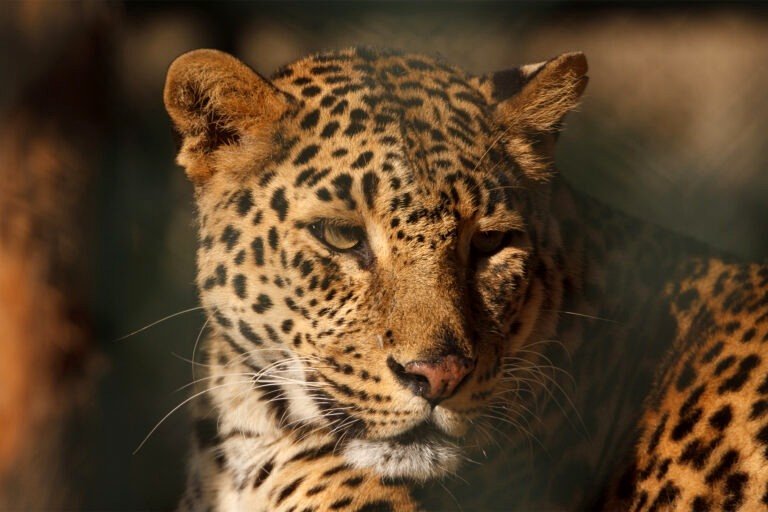
In the buffer-zone communities across Nepal, there have been interactions with tigers, leopards, and snow leopards, prompting residents to adopt various protective measures like electric fences and flashing lights for their livestock. This article originally appeared on Mongabay. What do you think about using artificial scent marking to protect livestock?
Sources:
Source: Mongabay Animals, by Abhaya Raj Joshi