New studies indicate that a common skin condition without a cure could be managed using dietary supplements. Researchers found that a derivative of vitamin B produced promising results in reducing symptoms of psoriasis during tests involving both humans and mice. Psoriasis leads to a rash characterized by itchy, scaly patches often found on the knees, elbows, and waist. This autoimmune disorder currently has no cure.
Researchers in China identified that pantethine, a vitamin B5 derivative, reduces the activity of immune cells that contribute significantly to autoimmune conditions like psoriasis. Their research, detailed in the Journal of Experimental Medicine, highlighted that pantethine not only helped to improve psoriasis symptoms in a small human trial but also completely stopped the disease from developing in mice.
The researchers noted that dendritic cells are key immune cells responsible for coordinating responses within the immune system. These cells can consume and present foreign substances to activate specific T-cells and release various immune signaling molecules that promote inflammation. Incorrect activation of these dendritic cells is thought to be a cause of several autoimmune diseases, including psoriasis. Dr. Wei-Na Zhang, the study’s co-lead author, pointed out that the role of metabolic pathways and their metabolites in controlling immune cell function and autoimmune progression is not well-studied.
Dr. Zhang mentioned that the levels of a specific type of enzyme, known as Vanins, are increased in dendritic cells of psoriasis patients and others with autoimmune diseases. By depleting these enzymes, it is possible to hinder the activation of dendritic cells and their ability to engage T-cells. In fact, when mice were treated with a drug that blocks Vanins, they did not develop psoriasis. Pantethine is a nutritional supplement commonly used to reduce cholesterol levels by inhibiting its production.
Dr. Zhang also explained that Vanin enzymes convert pantethine into vitamin B5, which is essential for producing cellular energy. His team at the State Key Laboratory of Biomedical Analysis discovered that high cholesterol levels can promote dendritic cell activation, making high blood cholesterol a significant risk factor for psoriasis. They found that increased Vanin activity in dendritic cells lowers pantethine levels, resulting in increased cholesterol production and excessive activation of dendritic cells. Restoring pantethine levels reversed this process, reducing cholesterol accumulation and suppressing dendritic cell activation.
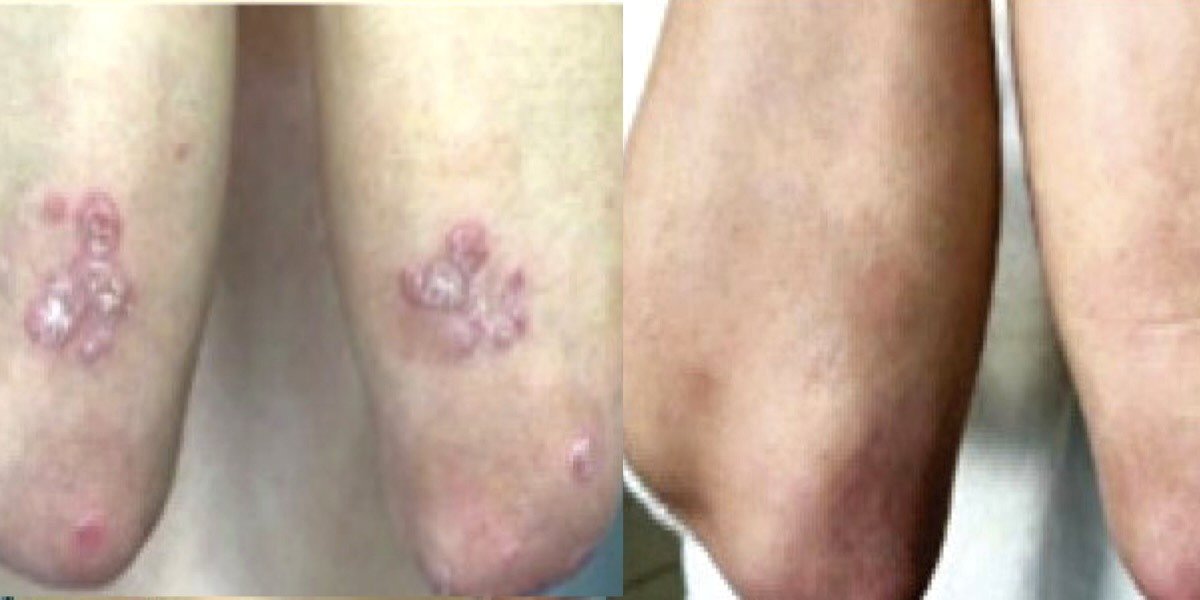
Dr. Zhang noted that low levels of pantethine could be a key factor in the overactivation of dendritic cells and the resulting autoimmune inflammation tied to Vanin activity. In a small trial, 24 psoriasis patients were treated with ointment, with half also receiving pantethine tablets. Over 12 weeks, those treated with pantethine showed improvement in their symptoms, especially if they started with high cholesterol levels. The clinical trial led by investigators suggested that pantethine could be an effective additional treatment for psoriasis, laying groundwork for future treatments aimed at autoimmune diseases mediated by dendritic cells.
What do you think about these findings?
Sources:
Source: Good News Network, by Good News Network