A new fabric designed for covering strawberry plants has been shown to increase fruit yields more than three times in field tests while maintaining plant health. This innovative material, called Plant Armor, could also help lower the use of water and pesticides in strawberry farming. The fabric is draped over strawberry patches, and its unique 3-dimensional design keeps insects away from the plants below. At the same time, the layers of the fabric let sunlight, rain, and air flow through.
In tunnel field experiments, Plant Armor led to strawberry yields that were up to 3.56 times higher without affecting humidity or light levels. Researchers initially thought the fabric’s opaque nature would cause plants to grow more leaves and stems at the cost of fruit production. However, they discovered that the fabric did not block light access, and fruit production increased significantly.
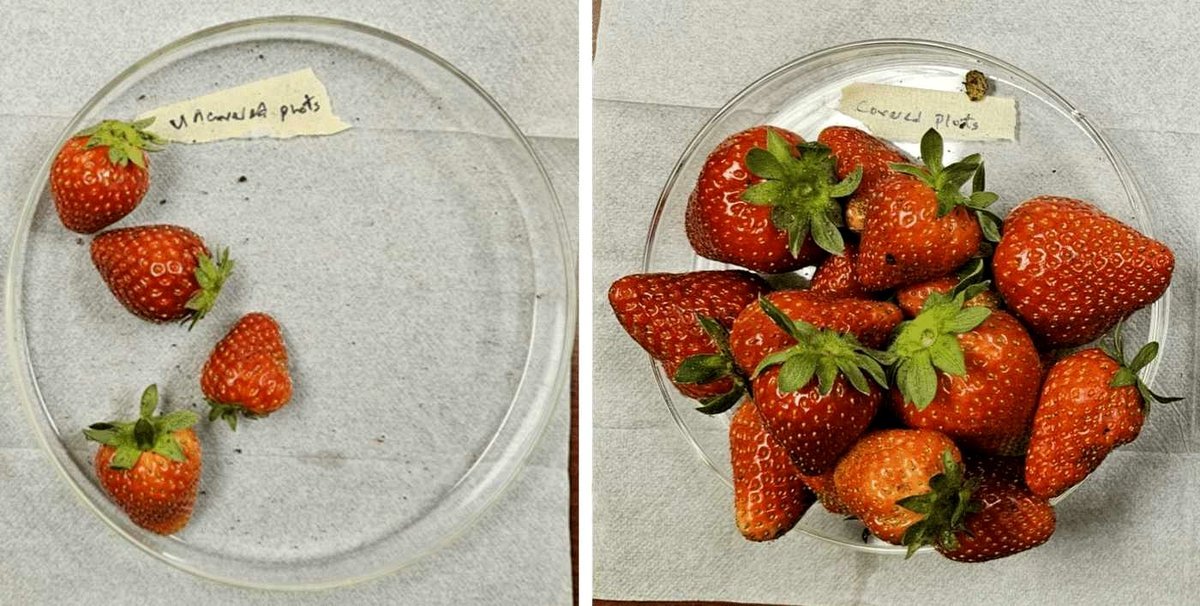
The fabric also helped to maintain a consistent warmth throughout the three growing seasons, allowing the plants to reach the fruiting stage sooner than those without the cover. Plants need a certain amount of heat to move through their growth stages, including fruiting. The plant cover provided the optimal warmth needed for the plants to progress through their development stages and produce more fruit than uncovered plants.
By keeping insects away, Plant Armor may also lessen the reliance on conventional pesticides in farming. This fabric was developed as a result of efforts to create mosquito-repellent clothing for military uniforms. The journey to creating Plant Armor began with making a more comfortable fabric for soldier’s body armor. Through research and collaboration, the team ultimately created a product that could significantly boost strawberry farm output in North Carolina.
Sources:
Source: Good News Network, by Andy Corbley