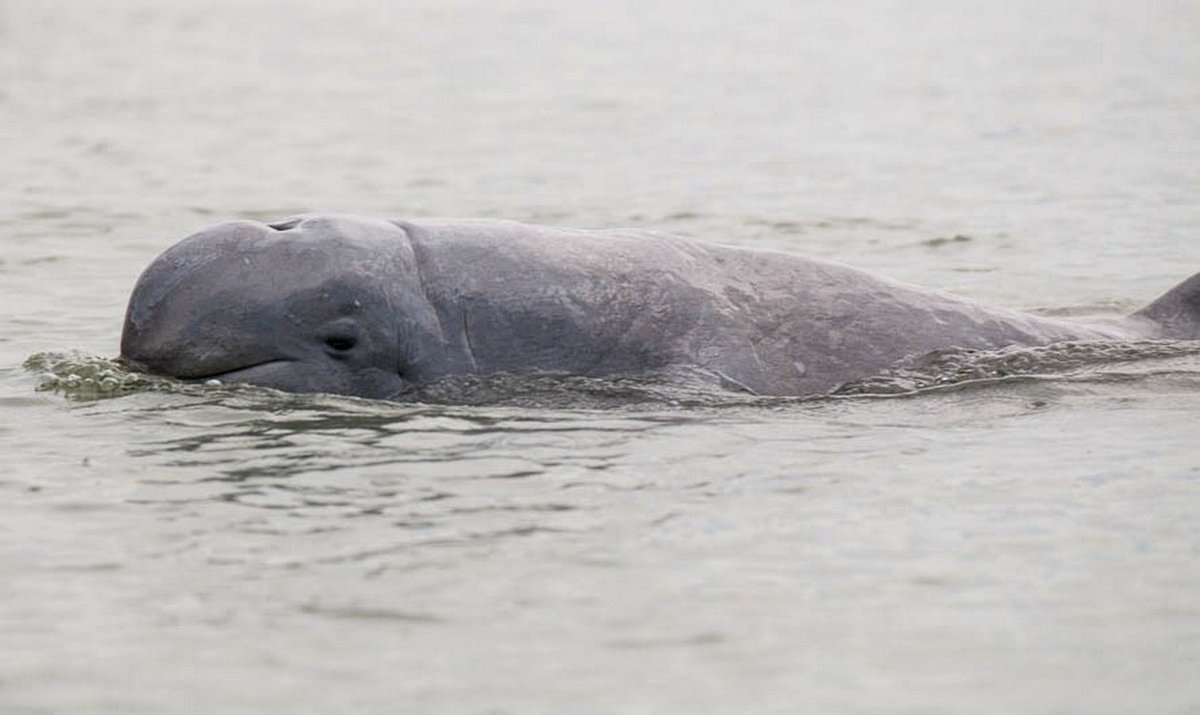
River dolphins are among the most endangered species in the world. However, there is some positive news for these creatures, especially in Cambodia, where the latest breeding season has resulted in the birth of six baby dolphins. The Irrawaddy dolphin (Orcaella brevirostris) has been separated into different isolated groups due to human activities across several countries. While some of these dolphins are still hunted or caught in fishing nets, they are increasingly seen as important for ecotourism.
People in Laos and Cambodia hold a strong belief that the Irrawaddy dolphins are reincarnations of their ancestors, blending folk traditions with Buddhist beliefs. Some locals even share stories of dolphins saving villagers from drowning or protecting them from crocodiles. This shared belief has allowed the communities of Laos and Cambodia to coexist peacefully for many years. The Cambodian population of Irrawaddy dolphins is the largest in any river globally. With the addition of the six new calves, the total number of these dolphins in the northeast part of the country has reached 118 along a 75-mile stretch. Local conservationists view this growth as a hopeful sign that the population can recover if environmental dangers are minimized.
One major threat to their survival is gillnet fishing, which poses a risk to young dolphins that may not avoid boats and the sounds of fishermen. Although such fishing is still reported in protected areas, it seems to occur on a smaller scale, according to Mongabay. The Mekong River, the largest in Southeast Asia, has seen ecological changes due to around 160 dams affecting the habitats of Irrawaddy dolphins. Despite these challenges, the recent calving season suggests that food resources remain enough for the population to increase.
Since 2014, the Cambodia chapter of the World Wildlife Fund has been working on a program aimed at helping Mekong dolphin conservation by encouraging communities to find other ways to earn a living that do not rely heavily on fishing. A recent study in conservation science highlighted that community support and local views are vital for a species to recover from endangerment. For the Irrawaddy dolphin, positive local attitudes make recovery possible, as people have even risked confrontations to stop illegal fishing in their protective zones.
What are your thoughts on the conservation efforts for river dolphins?
Sources:
Source: Good News Network, by Andy Corbley