A veterinary hospital in Georgia is facing backlash online after a family claimed that a staff member took their dog home instead of performing the euthanasia that they had paid for. The dog, Cha Cha, is a four-year-old pug whose family was informed that she had a serious health issue and a slim chance of recovery. Months later, the family discovered that Cha Cha might have survived and was allegedly living with a hospital employee, raising ethical concerns about taking a pet without the owner’s permission.
Rebecca Belote and her family took Cha Cha to Senoia Animal Hospital on March 4, 2026, after noticing that the pug was lethargic and exhibiting excessive drinking and urination. The veterinary team informed the family that Cha Cha was gravely ill, suggesting euthanasia due to organ failure and diabetic ketoacidosis (DKA). DKA is a dangerous condition that occurs in diabetic dogs when their bodies cannot use glucose properly, leading to fat breakdown and a buildup of harmful substances called ketones in the blood.
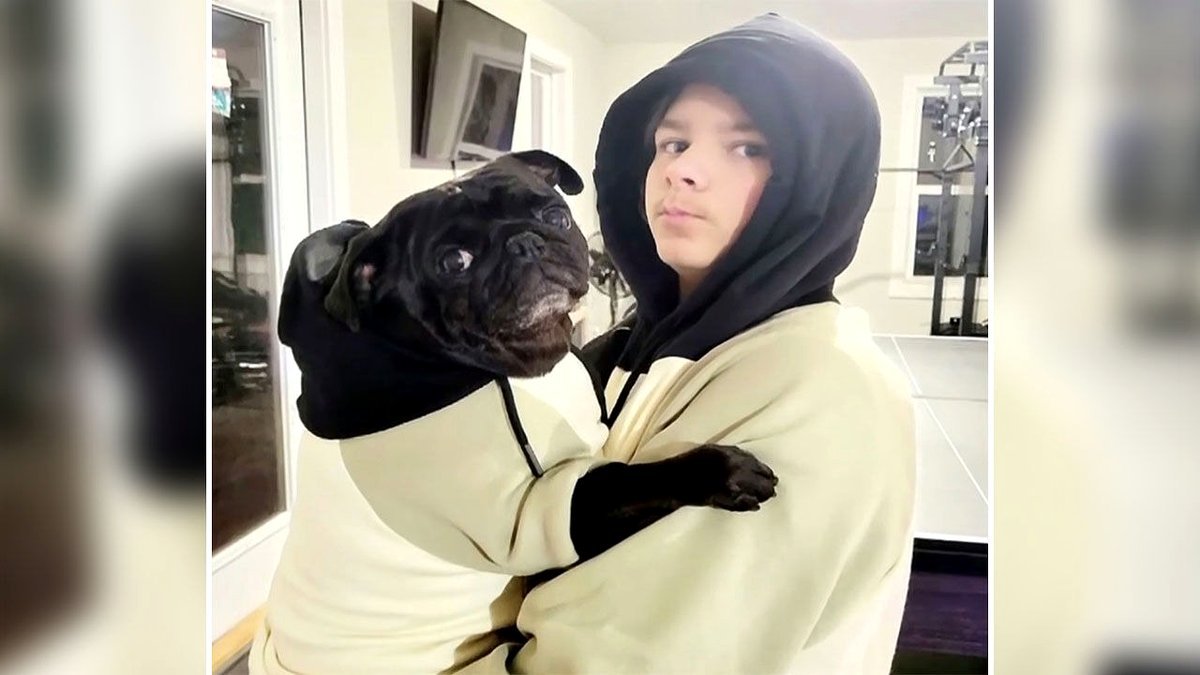
Belote stated that the family received information about treatment costs that could exceed thousands of dollars per month with no guarantee of recovery. They accepted the recommendation to euthanize Cha Cha. The family paid $716.50 for the visit, tests, euthanasia, and cremation, believing that their dog had been put to sleep.
Later, they learned that Cha Cha might not have been euthanized, and that an employee had taken her home. Belote claimed that a former staff member informed her about this and that the employee posted a picture with Cha Cha on social media. When Belote contacted the hospital for clarification, she was told they had a lawyer and could not discuss the matter. According to Belote, the employee’s husband confirmed that Cha Cha was living with his wife and seemed healthy.
This incident has sparked mixed reactions on social media. Some users expressed sympathy towards the employee for wanting to give the dog a chance at life, while others emphasized that the family should have been allowed to make decisions regarding their pet. Comments ranged from questioning the hospital’s actions to criticizing the initial diagnosis of Cha Cha’s condition.
Cha Cha’s case raises significant ethical questions about pet ownership and the responsibilities of veterinary professionals. What are your thoughts on this situation?
Sources:
Source: Bored Panda, by Gabija Saveiskyte