The Aldabra giant tortoise, one of the largest tortoises on Earth, once inhabited many islands in the western Indian Ocean, including Madagascar. Fossils indicate that these tortoises were present on nearly every continent except Antarctica, but many species became extinct due to European sailors by 1840, with the Aldabran giant tortoise being the only surviving species. A recent study found that this species is now thriving in the Seychelles with an estimated population of about 180,000 tortoises, the highest count ever recorded. This study was conducted by the Seychelles Islands Foundation (SIF) and the University of Exeter, using five years of data collected from tortoise counts between 2018 and 2022. This estimate is the first comprehensive count since the late 1990s, which reported around 100,000 tortoises.
Aldabra Atoll is one of the only two places in the world where giant tortoises live in the wild. Its remote location has kept human activity to a minimum, allowing the tortoise population to flourish. Dr. Frauke Fleischer-Dogley, the CEO of SIF, noted that the SIF team, who have long been involved with the atoll, gathered the data for this study. She indicated that the presence of these tortoises is a testament to the success of conservation efforts. In the 19th century, overexploitation reduced the tortoise population to fewer than 1,000 individuals.
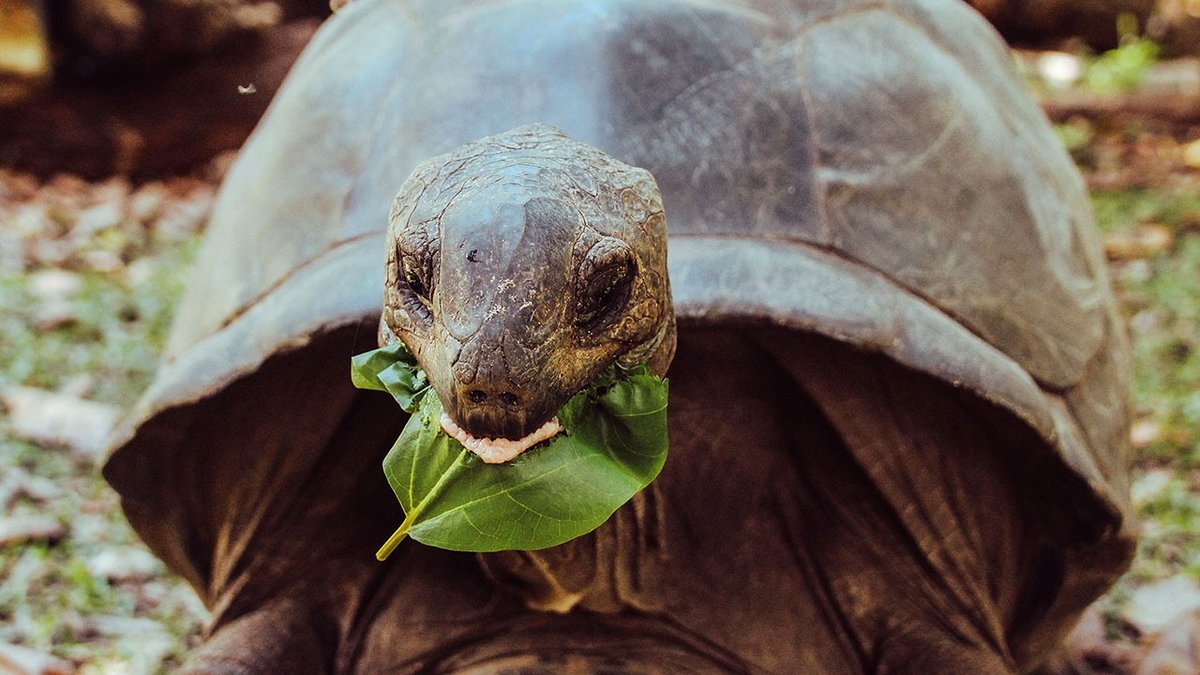
Currently, the study estimates that there are almost 183,000 adult and sub-adult tortoises, surpassing the number of people living in the Seychelles. The strict protection of the tortoises has been crucial to their recovery, which is now recognized as a significant conservation achievement in the Indian Ocean.
However, researchers caution that this new estimate should not be interpreted as a nearly doubled population since 1999. The dense vegetation on Aldabra can easily conceal even large tortoises, making them difficult to count in previous surveys. The new estimate results from a method called Bayesian hierarchical distance sampling, which helps estimate how many tortoises might have been hidden during counts and how likely they were to be seen in various habitats. The researchers believe that their approach provides the most accurate baseline data for the population of Aldabra giant tortoises.
What do you think about the conservation success of the Aldabra giant tortoise?
Sources:
Source: Bored Panda, by Aleksandra