Hospice nurse Julie has shared many useful and comforting videos about end-of-life care. Recently, she discussed what actions she would take if diagnosed with dementia. She pointed out that dementia varies greatly, and there isn’t a one-size-fits-all solution. From her experience with patients and families dealing with cognitive decline, she provided six steps she would take soon after a diagnosis, while she still has enough cognitive skills to make choices.
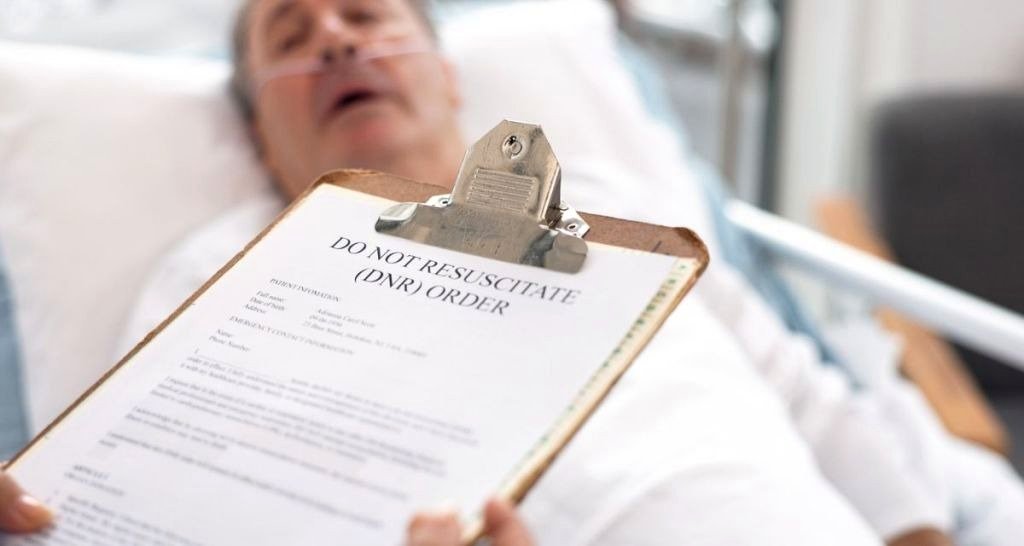
The first step she mentioned is to set up DNR and DNI orders. DNR means “Do Not Resuscitate,” and DNI means “Do Not Intubate.” These orders inform healthcare staff not to perform procedures like CPR or use breathing tubes if a patient stops breathing or their heart stops. Julie believes this decision is about the type of care she would want as dementia advances. She prefers to experience a natural death rather than go through invasive procedures like mechanical ventilation.
Next, she stated that she would refuse artificial nutrition. Julie expressed that she wouldn’t want a feeding tube or assisted feeding if she reached a point where she could no longer eat independently. She feels that needing that level of help would mean her quality of life has declined too much. Research from GoodRx indicates that tube feeding does not extend life, improve quality of life, or prevent issues like aspiration pneumonia in those with severe dementia.
Her third point involves declining treatment for infections. Advanced dementia patients may face complications such as aspiration pneumonia or urinary tract infections. Julie would choose to let the infection take its course rather than undergo treatment that prolongs her life in a state of cognitive decline. There are comfort-focused care options available, like using Tylenol or morphine to ease pain and discomfort.
Julie also emphasized the importance of planning for the financial aspects of dementia early on. Hospice can cover various services for eligible individuals, including medical care and medications tied to terminal illness, through programs like Medicare and private insurance. However, hospice care does not provide 24/7 custodial care, which often requires out-of-pocket expenses. Families may eventually need to consider hiring caregivers, assisted living options, or memory care in nursing facilities.
Lastly, Julie highlighted the need to think about care costs in the context of dementia. Different care needs might arise, and planning ahead can help families navigate these challenges.
What are your thoughts on these recommendations?
Sources:
Source: Upworthy, by Heather Wake