On February 1, 2018, Timm Chiusano experienced a particularly bad day at work. He felt like everything was going wrong. After work, he took the subway home, arriving late for dinner again and dreading the next day. He was overwhelmed with negative thoughts about his situation. While riding, he noticed a manhole cover and his mind began to wander. He started thinking about its shape, wondering why it was round instead of square for safety reasons, and became curious about what was underneath it. He found himself pondering where the manhole covers were made and the shipping costs involved.
Chiusano then realized that his ability to find interest in something ordinary was a special skill. He describes this ability as appreciation, which he believes is different from gratitude. In his TED Talk, he explains that appreciation is about recognizing good things in the world and wanting to learn more about them. He differentiates appreciation from gratitude, stating that appreciation is foundational and can be integrated into daily life, while gratitude often involves receiving something. He suggests that having an appreciative view helps people avoid becoming grumpy adults.
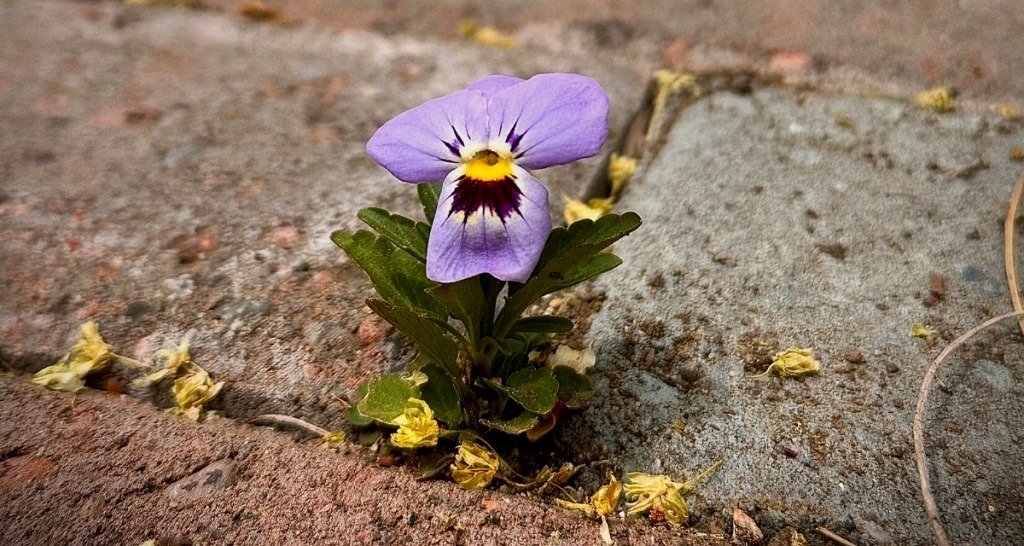
Rutgers University psychologist Nancy Fagley began researching appreciation after her student, Mitchel Adler, showed interest in the topic. Together, they discovered that appreciation can be learned and is both a disposition and a practice. They identified two main elements of appreciation: acknowledging value and meaning, and feeling a positive emotional connection. They also found eight areas where appreciation can manifest, such as focusing on what one has, feeling awe, enjoying the present, and experiencing gratitude during tough times.
Fagley explains that practicing appreciation can change how we see the world. Instead of viewing it as a task, it can be seen as a perspective that helps people notice positive events in their lives. She points out that this viewpoint can lead to a happier and healthier life. Fagley wanted to analyze appreciation’s value on its own, and her research showed it made a significant contribution to predicting well-being.
Living with appreciation means finding joy in everyday things. Chiusano acknowledges that not everything in life is good, but we should still appreciate the positive aspects. For instance, at night, he feels thankful for his warm and safe bed, which helps him find comfort despite the day’s worries. How do you practice appreciation in your daily life?
Sources:
Source: Upworthy, by Annie Reneau