Loch Ness is about to welcome a new creature. This animal has sharp teeth and can knock down a full tree. Beavers were last seen near Scotland’s famous lake in 1526 and 1527. Now, 500 years later, these important animals will be reintroduced to the area. On October 30th, the national conservation authority, NatureScot, announced it had approved a license for two nonprofit organizations, Trees for Life and the Beaver Trust, to release up to 15 families of beavers into the River Ness area, which includes the lake.
The proposal was carefully examined based on the Scottish Code for Conservation Translocations, which considers factors like site suitability, animal welfare, and the effects on local communities. NatureScot stated that the review found beavers could significantly boost biodiversity in the area, and the landscape is likely at low risk of negative impacts from their presence. During a consultation process, more than 73% of community responses were supportive of the plan.
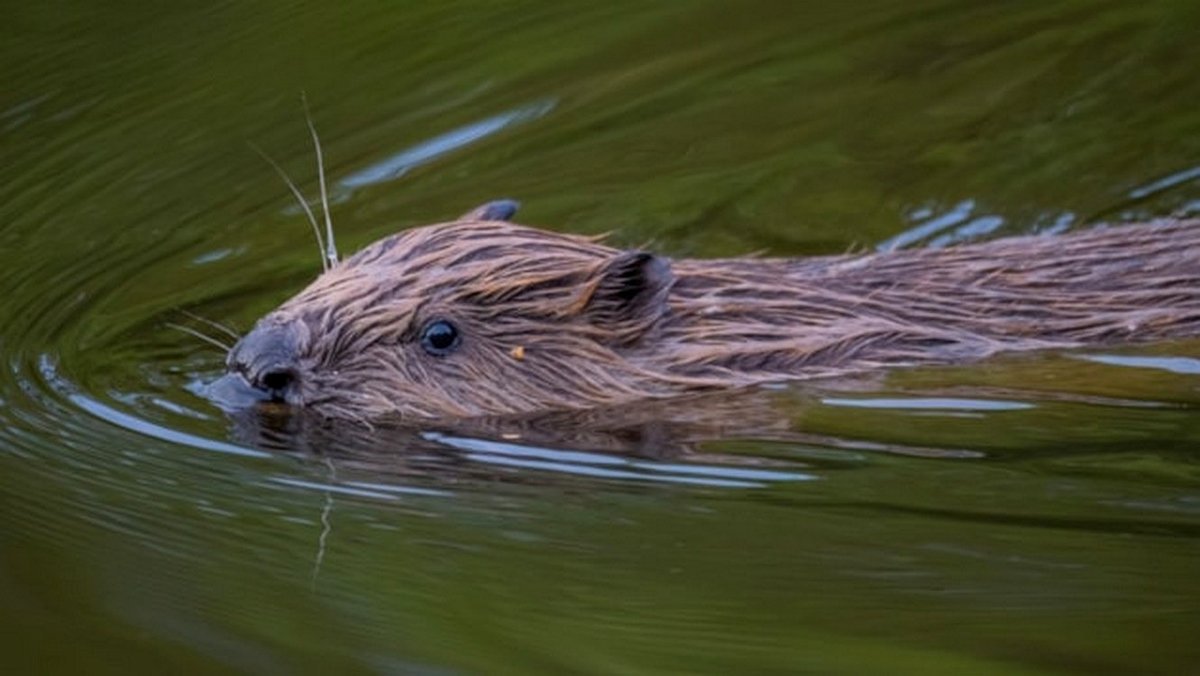
NatureScot also noted that beavers can create habitats such as ponds and wetlands that benefit other species and help manage water levels during floods or shortages. Some land managers and residents raised concerns during the consultation, and NatureScot took these seriously. They reviewed the monitoring and mitigation plans and believe potential issues can be addressed alongside their existing Beaver Mitigation Scheme.
Beavers have been living freely in Scotland since they were reintroduced in 2009 and have gradually returned to their historical waterways. The nonprofits mentioned that the relocation of beavers could start in the coming weeks. The beavers will typically come from other parts of Scotland where they may cause problems for farming or are not adapting well to their new locations. The next time something long and thin moves across the lake, it might be worth checking if it’s not just a log being carried by the new arrival.
Sources:
Source: Good News Network, by Andy Corbley