In the late 1800s, being sent to an insane asylum was often a tragic fate, particularly for women. In 1887, 23-year-old journalist Nellie Bly made a bold decision to feign insanity to investigate the New York City Lunatic Asylum. She had been hired by Joseph Pulitzer at the New York World, and one of her first assignments required her to go undercover as a patient and report on her experiences. To do this, she needed to convince doctors and officials that she was mentally ill.
Bly’s intention was not to create a sensational story but to provide a straightforward account of the treatment patients received and the management of the asylum. Her editor instructed her to write about her observations without bias, reporting both positive and negative aspects honestly. Bly later admitted that she was unaware of the possible mismanagement and cruelty inside such institutions, believing she would only encounter a simple story of life in an asylum.
While she was curious about the conditions within the asylum, she did have some concerns about how she would manage to leave once she got in. When she approached her editor about this, he reassured her that they would find a way to help her escape if necessary.
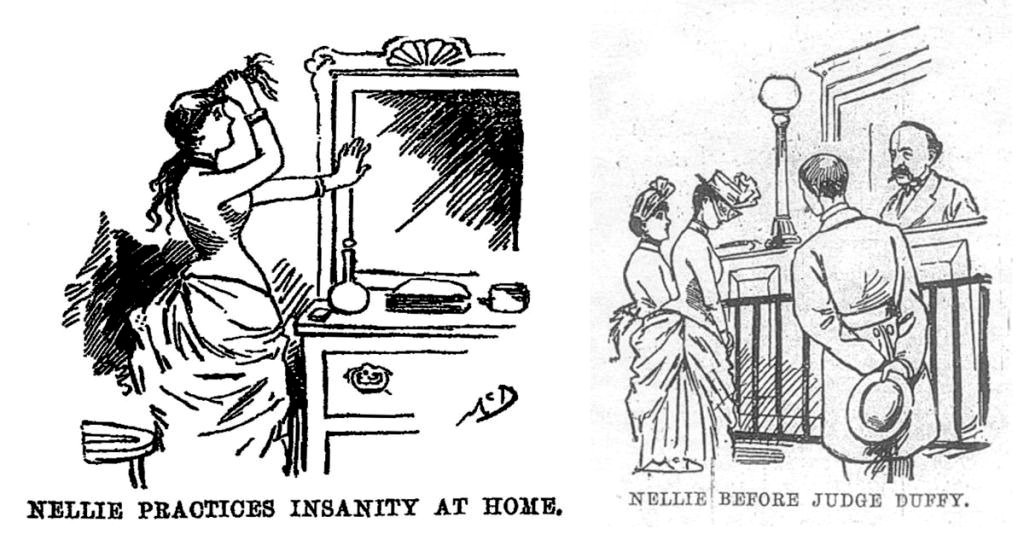
To prepare for her role, Bly was responsible for her own plan to gain entry into the asylum, and she decided to use the alias Nellie Brown to match her initials. She practiced different facial expressions, stayed awake for long hours, and read ghost stories. She then checked into a boarding house for women in difficult situations, where she would have to convince her housemates that she was mentally unstable.
Bly acted paranoid, claiming the other women were crazy and expressing fears for her safety. Her behavior led the others to become increasingly wary of her. When a compassionate woman in the house asked Bly personal questions, she pretended to have lost her memory. In her reflection, Bly noted how her actions affected the other women, one of whom even had nightmares about her. The situation escalated until a caretaker reported Bly to the police, believing she was a victim of severe treatment.
The police took Bly to a judge, who suspected she might be under the influence of drugs and decided she should be sent to a hospital for evaluation. The judge instructed the doctor to treat her well and ensure she received proper care. At Bellevue Hospital, Bly convinced medical staff of her insanity mainly by acting as if she were suffering from amnesia or claiming to be from Cuba. She recounted that one doctor inquired whether she was a woman of significance.
What do you think about Bly’s investigation and the lengths she went to uncover the truth?
Sources:
Source: Upworthy, by Annie Reneau