Arthur Schopenhauer (1788-1860) is a significant philosopher known for his views on desire rather than reason as the core of human experience. His philosophy is often seen as pessimistic because he thought that desires lead to suffering. He was forward-thinking in his ideas about unconscious motives and included Eastern philosophies in his work. Schopenhauer was recognized for his intelligence and associated with many other smart individuals. He had insights into how to identify highly intelligent people. Julian de Medeiros, a TikToker and writer on philosophy, pointed out two traits that Schopenhauer believed indicated extreme intelligence.
The first trait is that intelligent people often find social interactions challenging. De Medeiros explained that Schopenhauer suggested that as intelligence increases, so does the difficulty in social situations. He believed that smart individuals prefer solitude and tend to be natural introverts, often trusting only a few close friends. They might feel uneasy in large groups, especially around strangers.
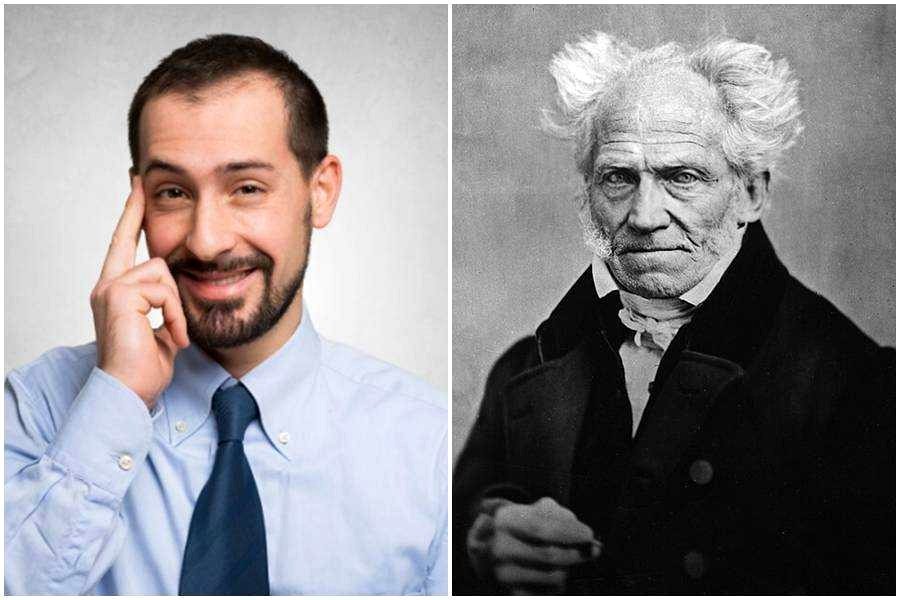
The second trait is that intelligent individuals are sensitive to sound. De Medeiros noted that Schopenhauer believed these individuals prefer to control their surroundings. He asserted that the more intelligent a person is, the more they enjoy their own company and seek quiet.
In his essay “On Noise,” Schopenhauer connected sound sensitivity to intelligence, stating that those who aren’t bothered by noise might also struggle to appreciate deep thoughts, art, and intellectual discussions.
As for whether Schopenhauer’s views were accurate, there are mixed opinions on the social awkwardness of intelligent people. Some studies suggest that intelligent individuals can read social cues well, while others indicate that they may focus too much on details, making social interactions tough. They often have heightened self-awareness, which can lead to discomfort in social settings.
Regarding sound sensitivity, research from Northwestern University supports Schopenhauer’s view, indicating that highly creative individuals, who are often considered intelligent, may struggle to filter out distracting sounds and can feel overwhelmed in noisy environments.
This article was updated from a piece published last year. What do you think about Schopenhauer’s insights on intelligence?
Sources:
Source: Upworthy, by Tod Perry