The Sitka Foundation and the Science Media Centre of Canada fully funded the reporting and photography for this article through a grant for 2025-2026. Since 2021, four of the five worst years for global forest fires have occurred, and 2026 is following this trend, with many people in North America, Europe, and Africa forced to leave due to dangerous fires. As the wildfire season in the Northern Hemisphere begins to calm and forests start to recover, countries like Indonesia, Brazil, and Tanzania are facing widespread fires. Climate change has made wildfires more severe, which can be destructive and even life-threatening. However, fire plays a crucial role in many ecosystems, helping to maintain biodiversity and the health of nature. Canadian conservation biologist Karen Hodges noted that all land animals have adapted to environments that experience fire throughout history.
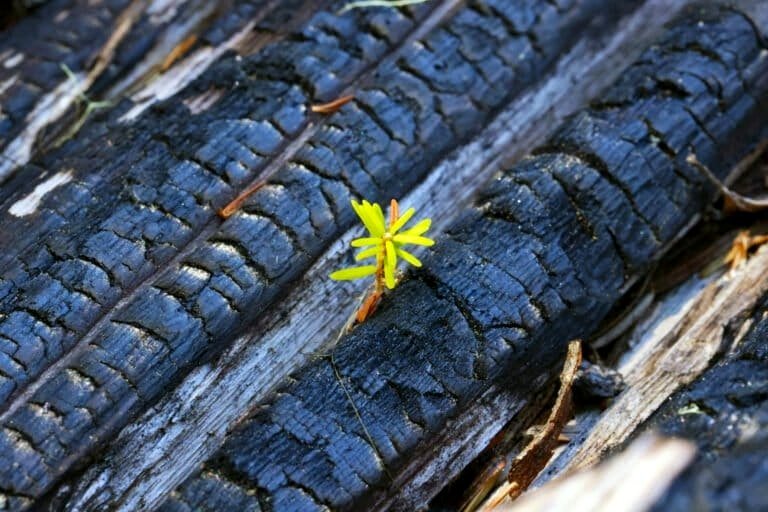
Canadian researchers are investigating life after wildfires, focusing on fungi that consume charcoal, heat-sensitive beetles, birds, and endangered carnivores in British Columbia’s fire-affected Interior. Their goal is to understand which species thrive after fires and the importance of these responses for biodiversity and humans. One notable example is Lieutenant Dan, the largest known living ponderosa pine in Canada, which is located in British Columbia’s Montane Cordillera, the most biodiverse area in the country. Many species, like this tree, have coexisted with fire for a long time. Logging is planned for the surrounding forest. How do you think fire shapes forests and the life within them?
Sources:
Source: Mongabay Animals, by Glenn Scherer