In the song “I’m Not in Love” by the British pop band 10cc, there is a notable moment at the start when it feels as if the music transcends reality. Eric Stewart sings while surrounded by a dreamy blend of “ahh” sounds that make it feel as if a whole choir has joined him. However, this choir does not exist; instead, the effect comes from the voices of the band members, a 16-track recording machine, and various tape loops. This combination created a unique sound, making the song even more remarkable.
Interestingly, “I’m Not in Love” almost didn’t make it to release. Initially, Stewart and co-singer Gary Gouldman wrote it in a bossa nova style, but the other two members, Kevin Godley and Lol Creme, did not like it and felt it was not worth continuing. The project was dropped until Kathy Redfern, who worked at Strawberry Studios, urged them to reconsider. She expressed her love for the song and encouraged Stewart to finish it. This prompted the group to take another look.
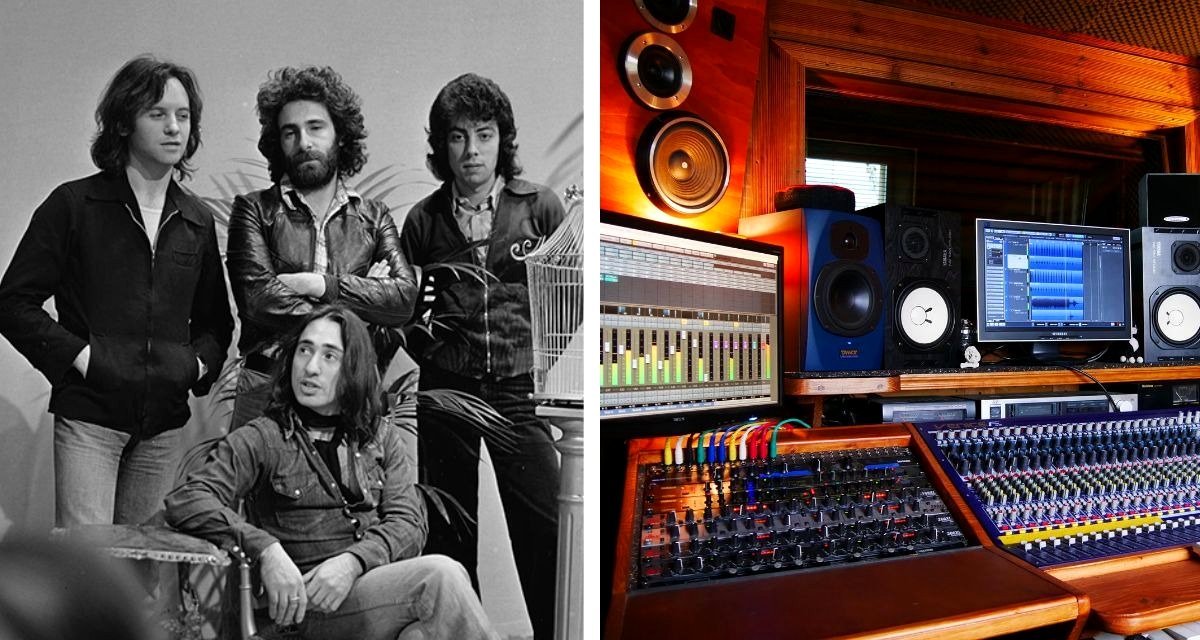
Godley and Creme agreed to revisit the song if they could try using only their voices. This decision led to a groundbreaking change. The band gathered and sang individual notes, recording each one repeatedly to layer their sounds. Godley estimated that the final product included about 250 loops of these recordings. They created 12 loops, each containing a sustained vocal note, which were then mixed and cut into tape loops—a labor-intensive process in the 1970s. Stewart explained to Sound on Sound that they configured the loops to allow them to play chords by adjusting different faders on their mixing console, effectively treating the console like a large keyboard.
Godley compared their creation to a high-end Mellotron, but instead of pressing keys, they moved faders to control the vocal notes. The isolated vocal loops remained beneath the main chords, adding depth to the song. The band chose to keep these elements in the final mix, giving the recording a hazy electronic feel made entirely from human voices. This sound filled the spaces where other instruments were absent, as Godley noted, creating a sense of “air” in the song.
After finishing the recording, Stewart looked at his bandmates and remarked on the brilliance of what they had created. They all agreed that they had discovered something special. Additionally, Redfern, who had encouraged the completion of the song, also contributed her voice. Near the end, during a quiet part, a woman whispers “Big boys don’t cry.” This was Redfern, as Creme suggested adding a female voice to enhance the song. Although she was initially hesitant, the band convinced her to lend her “gorgeous” voice to complete the track. After a few takes, she succeeded, and her contribution earned her a gold record for a song that reached number two on the U.S. Billboard Hot 100 and spent two weeks on the U.K. Singles Chart. The song’s cinematic quality gave it lasting appeal on the radio and beyond.
What do you think about the creative process behind this iconic song?
Sources:
Source: Upworthy, by Heather Wake