Life can often feel overwhelming with constant noise and fast-paced activities. Many people find it challenging to take a break from being online or busy. Kiana Aran, a bioengineering professor, has experienced this as well. She mentioned in an interview with The Scientist that her mind is always racing, and she has tried yoga and meditation to calm down. However, instead of just turning off her phone or going away for a quiet weekend, Aran chose an extreme approach. She spent five days in complete darkness at a retreat in Poland to study how the body reacts without external stimuli.
Darkness retreats, like the one Aran attended, involve staying in a dark space for several days, often to find rest or gain new insights. Cherilyn Parsons, writing for Condé Nast Traveller, referred to these retreats as a response to today’s bright and fast lifestyle and suggested they might become a major wellness trend. While this practice has ancient spiritual origins, there isn’t much scientific understanding of its effects. Dr. Kiana Aran, a scientist at the University of California, San Diego, took this chance to explore the effects of such an experience directly.
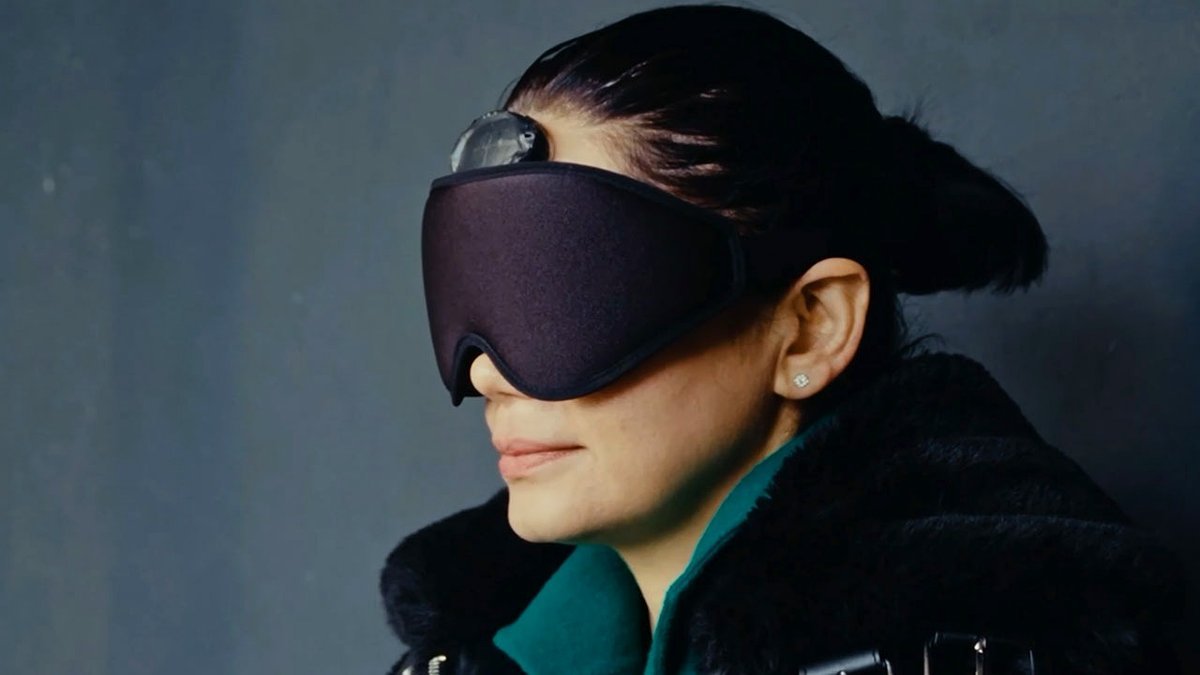
In November 2024, Aran participated in her retreat at the Ultimate Darkness Retreat in rural Wróblewo, Poland. The area where she stayed was not an actual cave but a comfortable cabin embedded in a hillside, equipped with a bed, bathroom, and shower. Along with her team, she planned to record her biomarkers before, during, and after her time there. To monitor her brain activity and sleep patterns, she used a wireless electroencephalography (EEG) device. An Oura Ring was used to track her sleep, heart rate, and circadian rhythms. Additionally, she wore a glucose monitor to observe her metabolic responses, and collected biological samples to analyze her microbiome and proteins related to metabolism, immune function, and stress.
As she experienced complete darkness, Aran noted that her perception of food changed, making it taste richer. She described in Nature that she couldn’t identify the food by sight but recognized it by its texture, like the firmness of broccoli or the smoothness of soups. Her biological tests supported this change, revealing significant alterations in proteins connected to taste and smell. Furthermore, her glucose levels stayed stable after eating, and there was an increase in proteins that help with glucose uptake.
Over the five days, other changes occurred as well. Aran’s skin and saliva microbiomes showed shifts, while her gut microbiome remained mostly unchanged. Data from her sleep and brain activity indicated disruptions in her circadian rhythm, with dream states happening during the day. She also noticed that her resting heart rate was lower than normal on some days and showed more variation compared to before her retreat.
For Aran, the data collected was more than just numbers. She expressed in Nature that the information allowed her to share her experiences in the darkness with her colleagues. They could see her sleep changes, glucose patterns, and microbiome alterations even though they couldn’t experience it themselves.
What do you think about the effects of sensory deprivation?
Sources:
Source: Bored Panda, by Monika Pašukonytė