World Kangaroo Day is celebrated on October 24 and honors kangaroos as important symbols of Australia. This day also highlights their significant role in the environment and among First Nations cultures. As the world faces the challenges of a “super El Niño” in 2026, it is important to consider the effects of climate change on these well-known creatures.
Australia is home to 59 species in the macropodoidea superfamily, which means “large-footed.” The four main kangaroo species are the largest red kangaroo, the western grey kangaroo, the eastern grey kangaroo, and the antilopine kangaroo. The total population of these kangaroos is estimated to be between 30 million and 50 million, depending on weather conditions like drought and rainfall. Due to their large numbers, some state governments have started culling programs to manage their populations.
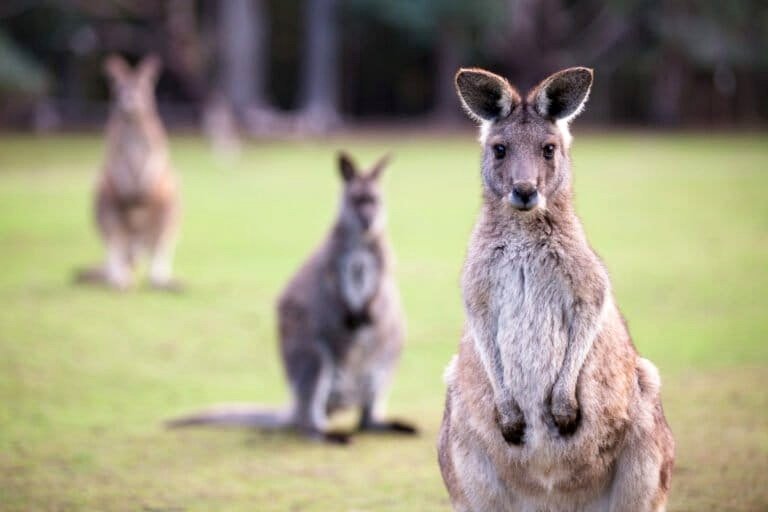
Other less recognized macropod species include the musky rat-kangaroo, the smallest in the world at about 500 grams (1.1 pounds), and the critically endangered Gilbert’s potoroo. Australia also has two tree-kangaroo species: Lumholtz’s tree-kangaroo and Bennett’s tree-kangaroo, found in the forests of Far North Queensland. Unfortunately, the situation is more serious for smaller kangaroo-related species like wallabies, quokkas, bettongs, and potoroos. Since the colonization of Australia, six kangaroo species have become extinct, and 11 more are at risk.
This topic raises important questions about the future of Australia’s unique wildlife. What do you think can be done to protect these animals?
Sources:
Source: Mongabay Animals, by Yenni Kwok