In northern Laos, research suggests that clouded leopards, sun bears, and other sizable mammals might choose their habitats based on the sounds made by hikers and the activities of kayakers. This study, which appeared in Global Ecology and Conservation, analyzed camera-trap data collected from 2013 to 2019. It looked into whether a community-based ecotourism program, running tours in Nam Ha National Protected Area since 1999, benefits local wildlife by offering a refuge from hunting.
William Bleisch, who led the research and is a former program director at the China Exploration and Research Society in Hong Kong, explained in an interview with Mongabay that hunting plays a significant role in the local culture, both legally and illegally. Bleisch and his team sought to determine if tourism could create a safe space where hunting might decrease—either because locals recognize the value of wildlife tourism or due to the fear of being reported by tourists or guides.
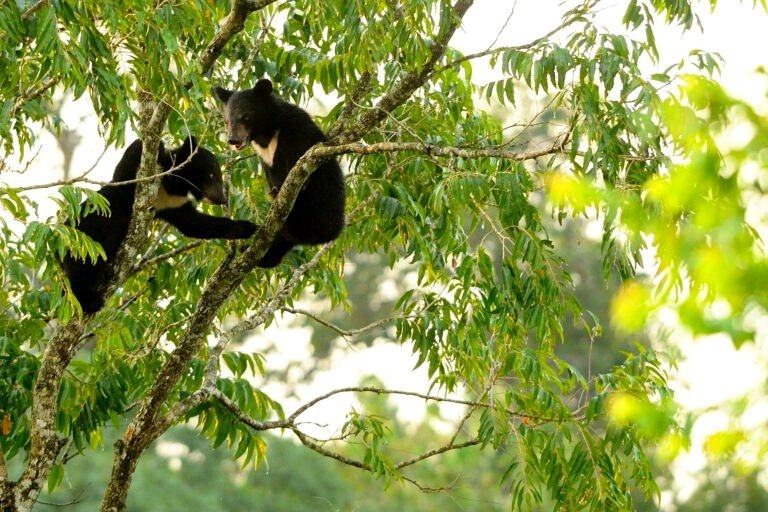
To explore this idea, the research team placed camera traps at 59 different locations throughout the area, including popular tourist spots and more secluded parts of the forest reserve. They documented a total of 45 species of medium to large mammals, including 15 species that are globally threatened. Their findings indicated an average of 4.58 species at sites near trekking trails and kayaking areas, which was almost double the number at other locations.
What do you think about the impact of ecotourism on wildlife in protected areas?
Sources:
Source: Mongabay Animals, by Isabel Esterman